

Welcome to the Power of Mana podcast. This is the Finding Manuland version, episode one: The X Energy. I’m Decoding Trolls. Welcome to Finding Manuland.
Since this is episode one, let’s begin with an introduction. I’m going to do something very conventional in terms of podcasts: I’m going to set out what I’m going to do, and then I’m going to do something slightly differently — I’m going to tell you about the journey I embarked upon which led to the discovery of mana.
This podcast is about mana, which is energy — or the X energy, as many have called it. It’s what the ancient Chinese culture called qi. In ancient Japanese culture, it is called ki. In ancient Indian culture, it’s called prana — from around 3000 BCE, around the time the first Indo-European migrants from ancient Ukraine reached India. In Hebrew culture, we talk about ruach. These are all equivalent to mana.
Chi, ki, prana, ruach — mana is the X factor, the X energy. Teleama. Libido — Freud talked about libido. Synchronicity. Nous. Vis medicatrix naturae, in Hippocrates. Aristotle spoke of the formative cause. Erasistratus spoke about pneuma. Christians talk about the Holy Spirit. In Germanic culture, we use the term Woden — our Wednesday is even named for this: Woden’s day. The Sufis speak of baraka. Polynesians, as I do, speak of mana.
I do not speak of mana because the Polynesians speak of mana. However, what the Polynesians talk about using the moniker mana is the same phenomenon. Polynesians started using mana to describe this energy around 600 in the Common Era. This is significant, and we’ll come back to why in a bit.
Avicenna spoke of anima mundi — so again, there’s an MN sound in there, as Carl Jung noted. All of these terms are for this same phenomenon that I call mana, or that others call the X energy or X factor. There are so many different names for this energy in human culture.
It’s a fifth force in nature, which I have for the first time in human culture detected as being also implanted in our language and in almost every sentence we speak or think. This is the second element of what the Power of Mana podcast is about.
We cannot understand mana or energy without understanding language. Finding Manuland is about a particular Indo-European vision of this energy, this mana, which we exchange as a function of human beings. The clue is in the word human — it has the same sound, MN.
I’ve looked into the question of how and why this MN sound is so immanent in almost every sentence we speak in Indo-European languages and what this might mean. I’m going to share this journey with you. This is what Finding Manuland is about. I’ve been looking into why the MN sound is so immanent in our language for several years now.
Some other people call mana, or this MN sound, the X energy. It has all these different names in different global cultures: prana, qi, Woden, ki, ether, ruach, nous, numa, mungo in Africa, zogo in Africa, atua in Polynesia, libido.
In Power of Mana and in Finding Manuland, we’re going to focus on just one global culture. We’ll look out at the world and at humanity from the standpoint of that culture. We call it Indo-European culture because over half of humanity speak a language which is part of the Indo-European language family. This language family was first created in southeastern Ukraine.
Finding Manuland is about inquiring into why this MN sound has colonised our minds, our words, and our meanings. It’s about my physical journey across the area of the world between Ireland and India, where traditionally we speak Indo-European languages. I call this area Manuland. This is also a metaphorical journey through time.
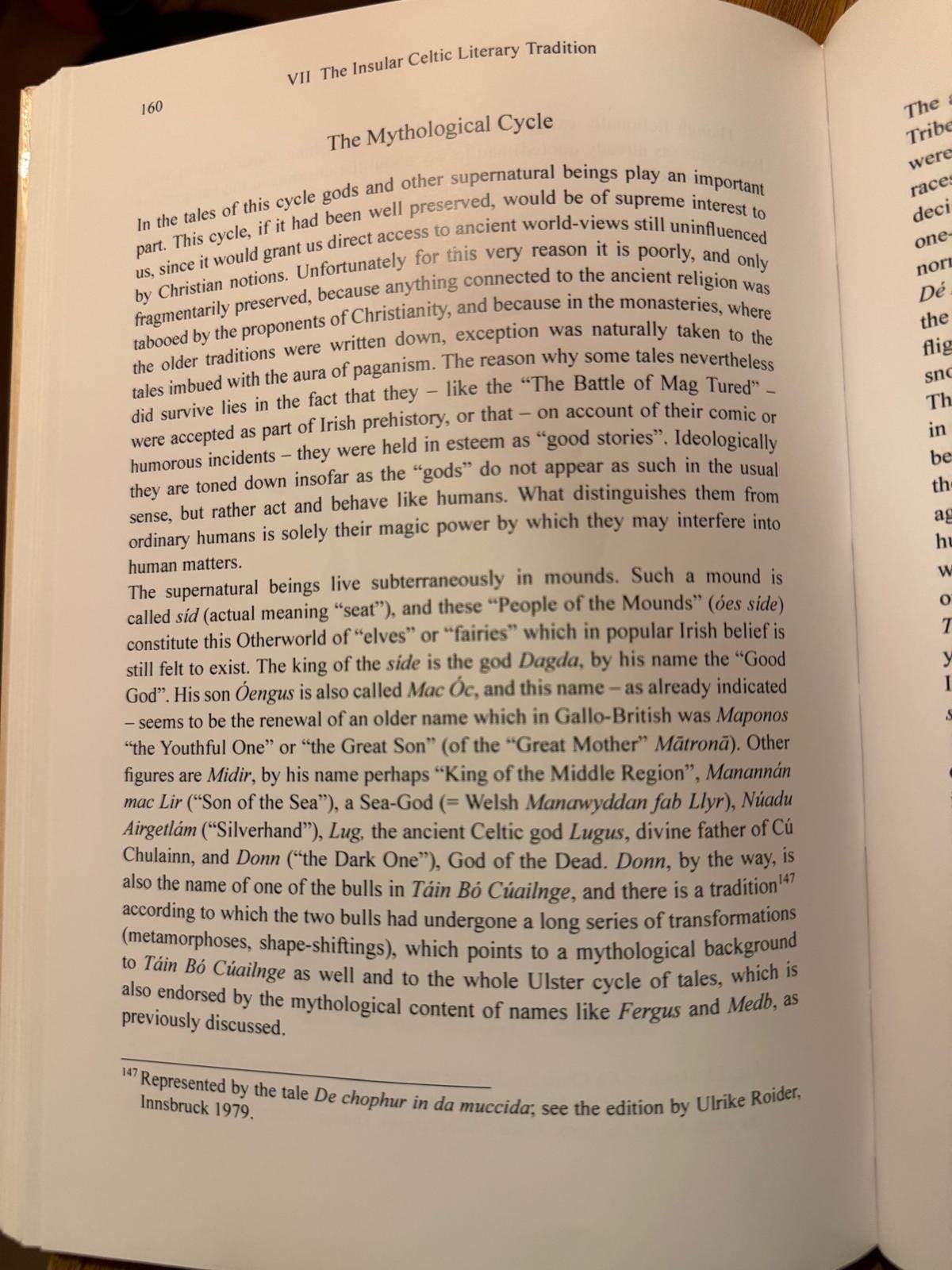
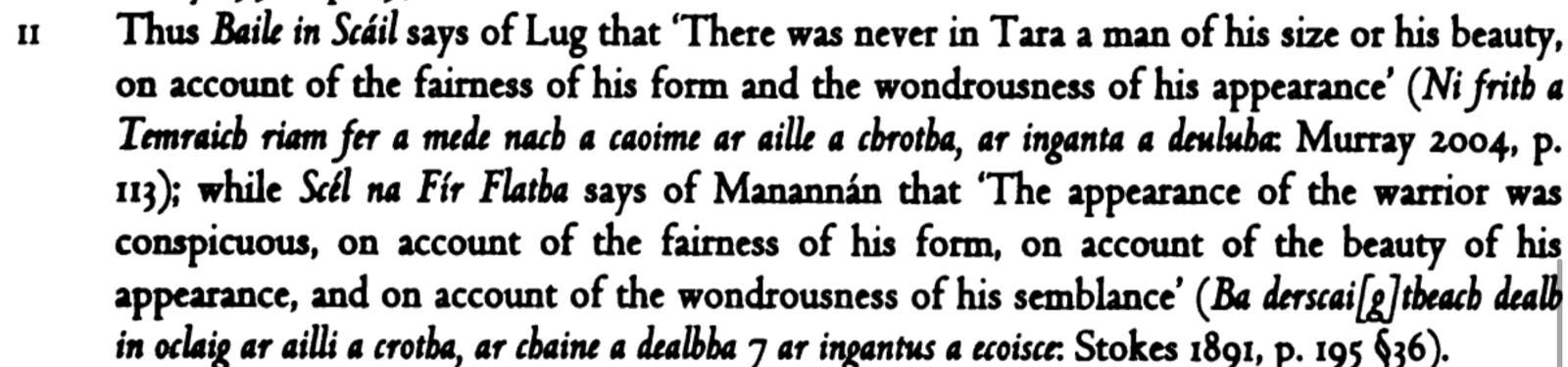
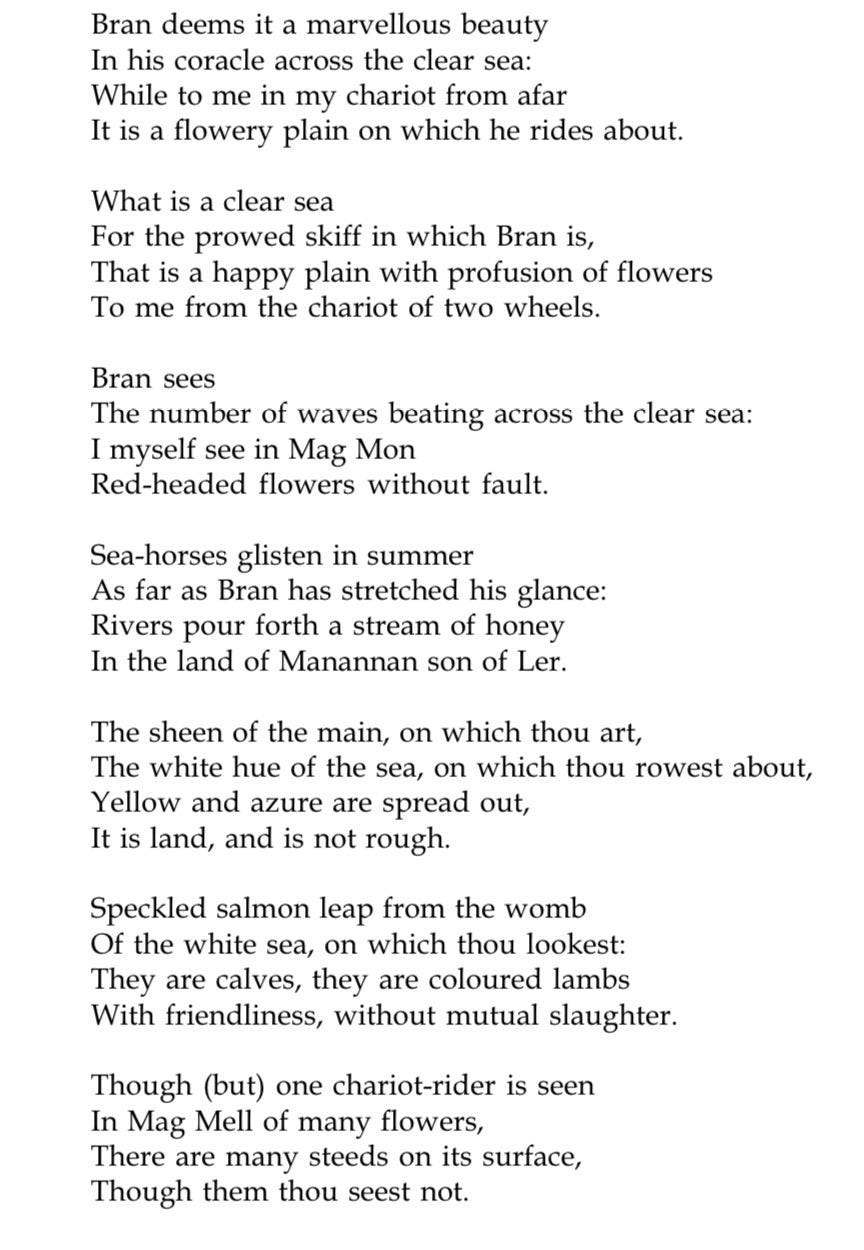
I began with a research question: why is it that this MN sound recurs in the monikers of the mythological founders of certain peoples? Why is Menua one of the founders of the Armenian people? Why is Manu the first human in Indian culture? Why is Aryaman, or Sapienta Manu, or Angra Mainyu the first spirit or the first human in Iranian culture? Why is Manannán the most preeminent pre-Christian god in Irish culture, in Celtic culture? Why is Manawydan the mythological overlord or monarch in ancient Welsh culture?
I started from that point, and it led me all the way back from 2020, when I began this journey in earnest, to around 4000 BCE — to southeastern Ukraine, an area many of us don’t know much about. I didn’t know anything about it before I spent seven years in Ukraine between 2015 and 2022 as a diplomat.
To understand the power of mana and Finding Manuland and the immanence of this MN sound, it’s impossible to ignore the ultimate source of all Indo-European languages. MN is the characteristic sound and meaning in Indo-European languages. As far as I can see, I am the first person who understands this properly in its universal meaning — though I am standing on the shoulders of giants, having read thousands of texts since 2020 and travelled tens of thousands of kilometres, visiting many different sites of ancient and current Indo-European peoples and towns and villages with the MN sound in their moniker.
I do not expect you in the first podcast to take this on board as an article of faith. So I’m going to ask you gently — in a way that I’ll ask you again and again throughout Finding Manuland — just to park this idea that MN is the characteristic sound and meaning in Indo-European languages, and then you can test the stories I’m going to recount to you over the coming months and years against this primary hypothesis — or conclusion, in my case, but it’s just a hypothesis for you.
Finding Manuland is also about a cultural journey. Culture is what is hidden. The word in modern English occult captures the etymology and meaning of the cult element in culture. Note, en passant, the MN is even in the word element.
I’m going to help you get your eye into seeing this MN sound, which is in almost every sentence we speak, read, or write in Indo-European languages. The Celtic branch of the Indo-European language family takes its name from Keltoi — the hidden one, a lord of death, akin to Woden.
In Germanic culture, what we call mana is sometimes called Woden. Odin, who is the lord of death in ancient Germanic culture — for whom our Wednesday, Woden’s day, is named — is mana, and mana is in Woden.
Woden is like Christ, or Yama in ancient Iranian culture, or Yama in ancient Indian culture, or Jupiter — Deus Pater — or Zeus Pater. In Roman culture, in ancient Latin, it’s Jupiter. In ancient Greek culture, you have Zeus Pater. In Indian culture, we have Dyaus Pita. All of these manifestations of a supreme god to whom we have a contract with emanate from Sky Father, who is a creation of the ancient Ukrainians, the Yamnaya. There’s that MN again — the Yamnaya, who created the first Indo-European language between around 4000 BCE and 2500 BCE.
To understand the power of mana and the MN sound, we need to journey through language, through space — through Manuland — across time from 4000 BCE until the present, and into all the many layers of our culture today and over time.
I’m a cultural archaeologist. I examine — there’s that MN sound again — I examine and unpack the layers of our culture over time. I’m speaking to you in English now, which is a Germanic language, part of the Germanic or Gothic branch of Indo-European languages, whose existence was discovered in the 1780s by a Welsh scholar of Persian, ancient Iranian, and Sanskrit, whose name was Sir William Jones.
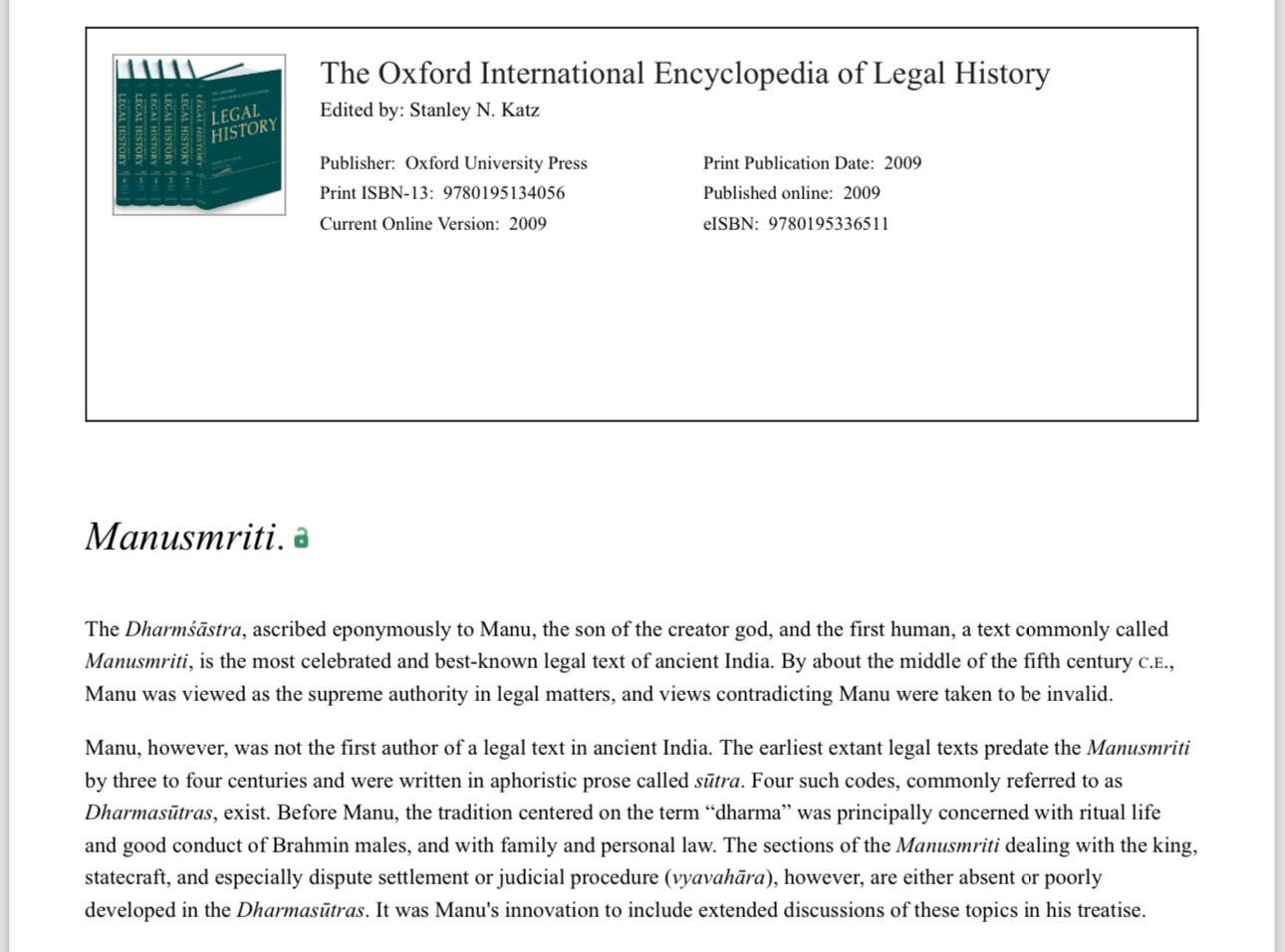
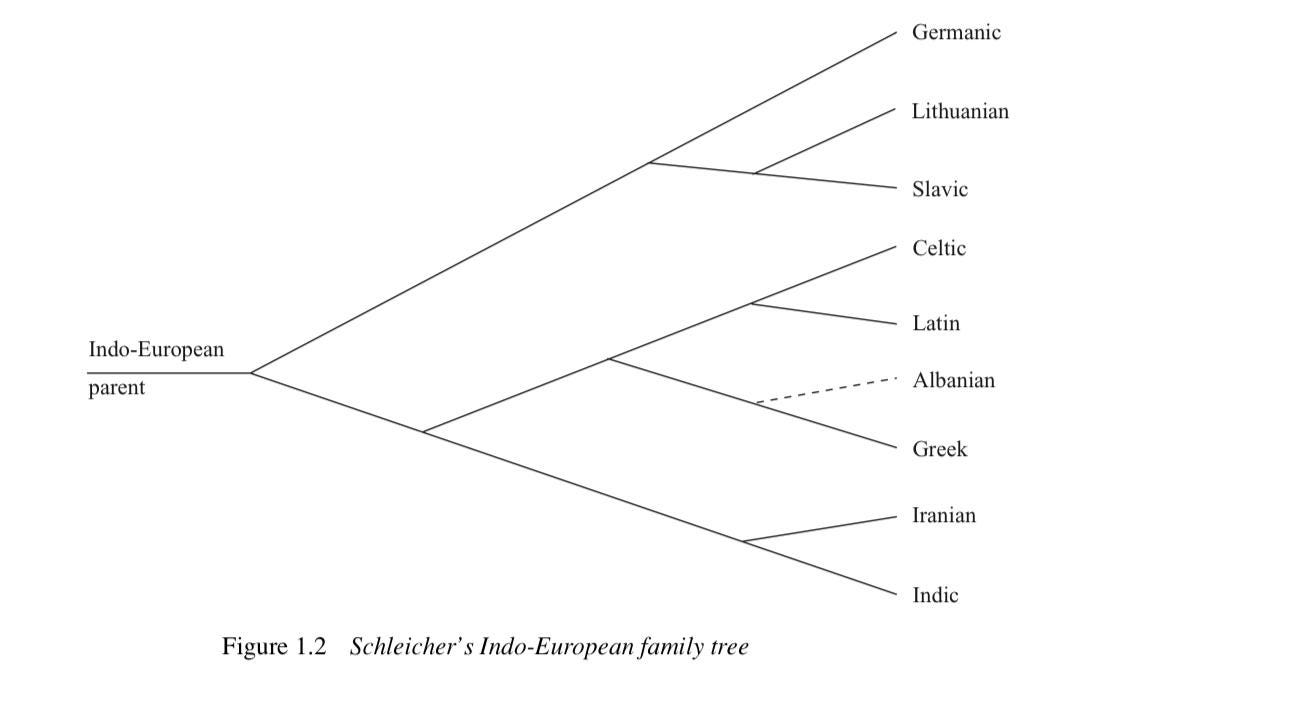
Jones, in the 1780s, was a judge in India. He was translating India’s ancient law code, the Laws of Manu, when he suddenly understood that no philosopher or philologer could look at the grammar, roots of verbs, and vocabulary in Sanskrit — which is an ancient Indian language — alongside Germanic, Celtic, Greek, Latin, and Persian, without concluding that the similarities in grammar, roots of verbs, and vocabulary are so intense that they could not have arisen by coincidence or borrowing. No philosopher could look at these languages without concluding that they come from a common source.
There’s that MN, even in the first statement that Sir William Jones made publicly about his discovery of what we now know by the moniker Indo-European languages. Note how MN is in Manu, India’s first human, whose laws Jones was translating, and how he uses another MN-filled word — common — to describe what today I call ancient Ukrainian, the first Indo-European language, but which some scholars call Proto-Indo-European.
In 1782, when Sir William Jones announced this discovery to the Asiatic Society in Kolkata, he opined that perhaps this common source no longer exists. For over 200 years after that moment — when, by looking at the grammar, the roots of verbs, the vocabulary, and the structure of Sanskrit, Germanic, Celtic, Greek, Latin, and Persian (and we’ve discovered many other Indo-European languages since then) — from that first moment, Sir William Jones understood that perhaps these languages all came from a common source.
My insight about this MN sound began as hypothesis-free research — a methodology very common in science, especially now with the advent of data analytics and machine learning, where you look for patterns in data, often using neural network algorithms. You gather millions of different data points and look for patterns in them, and you form hypotheses from these patterns.
I began on this journey simply looking at a question: why is Manus the first human founder of the Germanic people and Manu the first founder of Indian culture? Why is there this same sound in their monikers? That is the journey I’ll be describing to you.
All of these different linguistic cultures, which we can attach to particular geographical spaces and which evolved over time, come from a common source language that was first spoken in southeastern Ukraine by the ancient Ukrainian community which contemporary archaeologists call the Yamnaya. Note how even in the name of the community who created the first Indo-European language, we have this MN in their moniker.
I detected this immanent MN sound in the word common, but I did not start looking out for what I now understand to be the fundamental cryptotypic signifying system in Indo-European languages. No — I began to research the question of why there were so many mythological founders of Indo-European peoples whose names contained the MN sound. Except I didn’t even know they were Indo-European peoples then. I was simply looking at different mythological founders of peoples.
Then I discovered the existence of Sir William Jones and of Indo-European languages, and of all the work done over the past 200 years since Jones’s insight to try and uncover origins. What is this common source? What is coincidence? What is borrowing? And what is the common source?
These are the three options we always have when we come across similarities in different elements of Indo-European languages and mythological stories. Is it borrowing? Is it coincidence? Or is this a remnant from the common source from which the entire language family — in all of its manifestations: Germanic, Celtic, Indic, Iranian, Baltic, Scandinavian, Slavic, Greek, Latin, Anatolian — has emerged?
Is this a remnant in our today, in this sentence, in the sound I’m using to communicate something with you in our community? Is this a remnant of something very ancient? The Power of Mana and Finding Manuland is about discerning what, in the language we use today to communicate with each other, is very ancient.
I did not know what the Yamnaya were, or what this common source was, or even what Indo-European languages were, when I discovered that all these linguistic cultures with MN sounds in the monikers of their mythological founders had already been grouped into one language family. We now know this with scientific certainty since 2015. That inspired me to continue looking into why this MN sound is so immanent in almost every sentence we speak.
Finding Manuland was born of what originally was hypothesis-free research. I simply spotted a pattern and I wanted to understand: is this borrowing? Is it coincidence? Or is there some other reason?
MN is also, of course, in the word human. Everything we do in Finding Manuland, we’re looking at this MN sound as a conveyor of energy that is immanent in our communities and the interaction of us humans who comprise our community.
The Oxford English Dictionary tells us that the pre-Germanic origins of the word man are problematic. I wondered: what does problematic mean in this sense? In ancient Indian lore, the first human is called Manu.
So which came first — Manus in Germany or Manu in India? Is India borrowing it from Germanic culture? Is Germanic culture borrowing it from Indian culture? Is it a coincidence that both have mythologies with this MN sound in the moniker of their mythological founders?
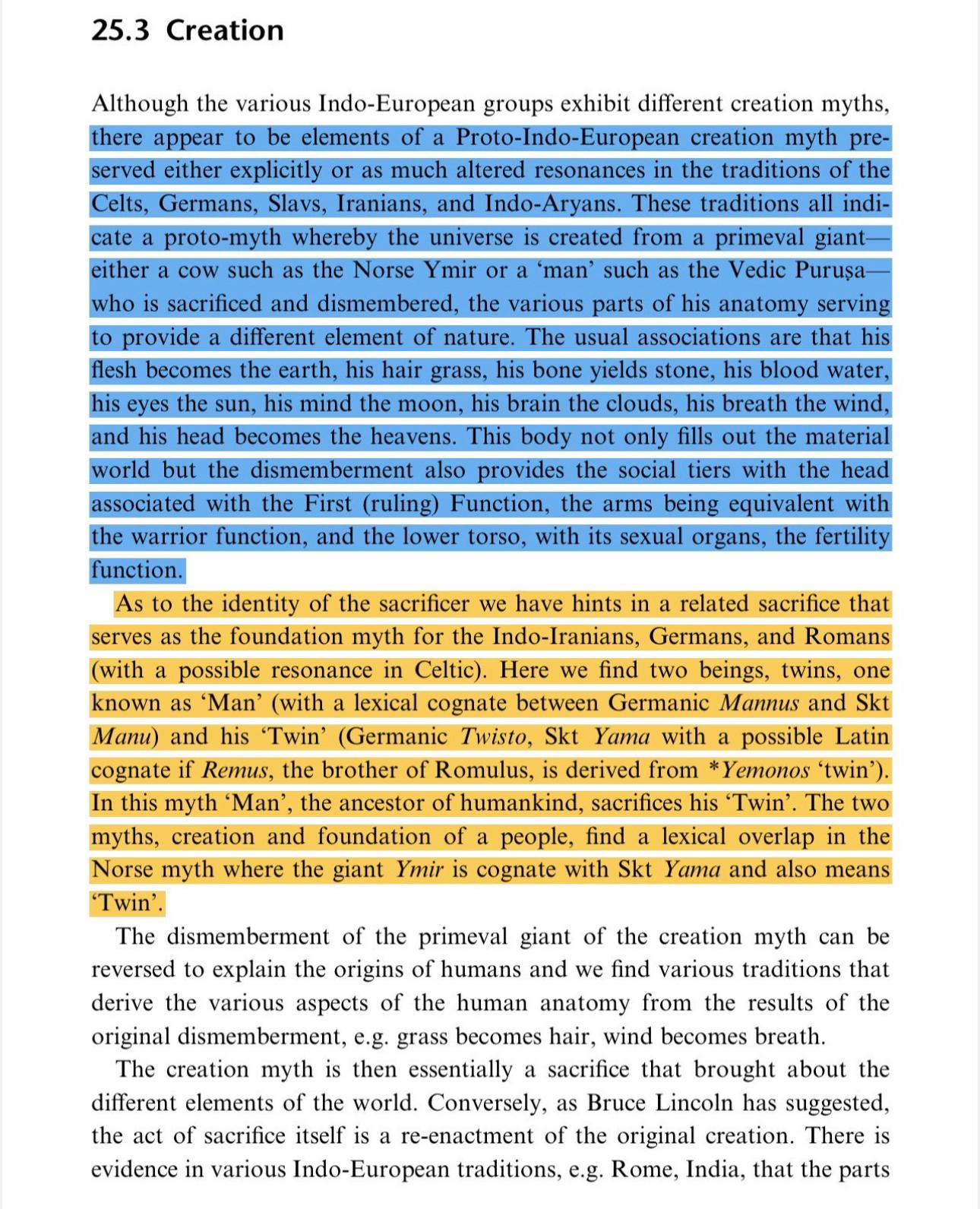
We can look at where Manu in Indic culture first appears. He is the first human sacrificer, who makes a deal with Deus Pater, with Sky Father. He sacrifices in order for the community to live in sovereignty, security, and prosperity. Manu first appears in the Rigveda, which is, if not humanity’s oldest book, one of humanity’s oldest books, and certainly the oldest book in Indo-European culture. It’s a book of songs — the Rigveda is the foundation of Indo-European Indian culture.
There were people living in the subcontinent of India before the ancient Ukrainian migrants’ descendants arrived and established what we today see as Indian culture and Brahmanism. The Rigveda was first written down in 1100 BCE. Manus, the founder of Germany’s ten historic tribes, first appears in writing around 50 years after the birth of Christ, in the Roman writer Tacitus.
So on the face of it, we could see — oh, Germany had copied India. But this is the cliffhanger I’m going to leave you on today.
Please come back for episode two of Power of Mana, and then we’ll get to the bottom of which came first: Manu or Manus.
Thank you for listening.
Here are some of the fundamental sources and readings underpinning this episode of Finding Manuland - the story of the X Energy’s immanence in humanity’s main linguistic community.


Continued:
Finding Manuland: Episode XXIX

Hi there, I'm Decoding Trolls. This is the Power of Mana podcast and the Finding Manuland branch of the Power of Mana podcast. I've recorded two episodes already of Finding Manuland and we're going to give this the moniker Episode Zero because it's an introduction to the podcast.
First in Series:
Finding Manuland I

In October 2021 I was returning from my final vacation before my forced retirement from my beloved diplomatic posting to Ukraine.
Continued from:
Immunising Us Against Dugin's Genocidal "Eurasianism"

Victory on the battlefield will not mean the end of this war. After Ukraine wins the war, we need to continue fighting to re-centre contemporary and Ancient Ukraine in the mental models of humanity. Ancient Ukraine is the location of the Common Source for ALL Indo-European languages,
Manu or Mannus - Which of the first humans was first?

Here we provide an answer to the question of which came first the Ancient Indian mythological first human and first sacrifier Manu (Vaivasvata) the son of Saṃjñā and Bhāskara (sun-god), or the first of the Germans, son of Tuisto/Twin, Mannus?


