


I’m Decoding Trolls, speaking to you from a place in southern Turkey called Göbekli Tepe, near the city of Urfa, historically known as Edessa. Yesterday, I saw an inscription dedicating Roman-era columns to the king of Edessa, son of Manu. This inscription dates back to around the third century of the Common Era, confirming that I am in the right place at the right time.
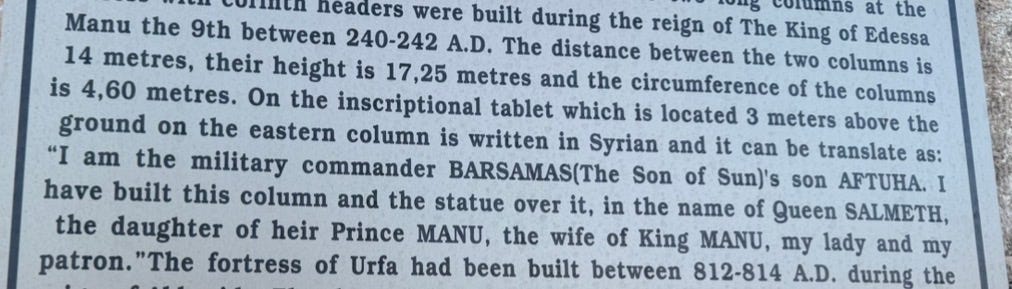
In many ways, my journey to find Manuland has been leading up to this specific moment. I am about to visit a stone circle, the first of its kind discovered in human culture, which dates back around 10,000 years before the Common Era.
For those who have been following my explorations, you’ll recall that our story began with a stone circle uncovered in May 2021, just eight months before the full-scale invasion of Ukraine.

In the first chapter of Finding Manuland, I mentioned my travels in eastern France around November 2021, when I was returning to eastern Ukraine from my last leave before my forced retirement from my diplomatic career with the OSCE.
Finding Manuland I

In October 2021 I was returning from my final vacation before my forced retirement from my beloved diplomatic posting to Ukraine.
During that journey, I passed a warehouse named Manuland in eastern France, located in an agricultural machinery area. I had noticed the “MN” sound in various places over the years. Upon passing Manuland, I decided it was time to explore what this sound meant. The following morning, I ventured into the village of Maine, without a clear idea of what I was searching for or how to connect the MN sound to a project. I started my exploration at the church and, from there, moved in concentric circles around it. I then went for a run up the mountain and encountered a mound where a farmer was tending to his livestock.
What I discovered there was a method of exploration. Each episode of Finding Manuland integrates three core elements: the MN sound, the concept of exchanging energy deeply embedded in Indo-European languages; expanding our mental models of time and space; and iteratively exploring these ideas.
We began by considering ancient civilizations: Egypt, Greece, and Rome, recognizing how they relate to our current civilization. Recent evidence suggests that Indo-European languages originated in eastern Ukraine, specifically in Mykhailivka village, and spread from there across Europe to India, over a span of 6,000 years. This expansion has reshaped our understanding of space and time.
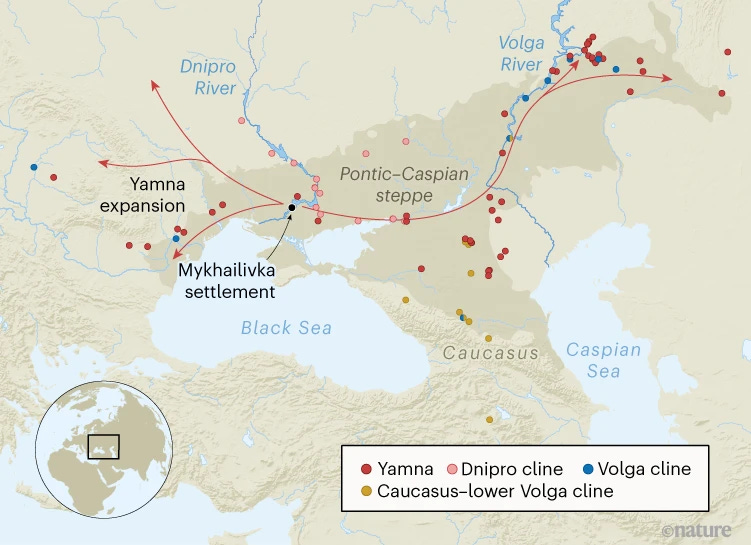
The third element involves using this iterative method for exploration, which has guided me from Maine village to here, to the cromlech in Novoalexandrivka—a posh suburb of Dnipro, where property developers attempted to build a luxury home on a burial mound from 3,500 years BCE. This site, associated with the Yamna culture, was discovered when developers, in their haste to research it, accidentally unearthed a stone circle built by the Sredni Stog culture, a precursor to the Yamna.
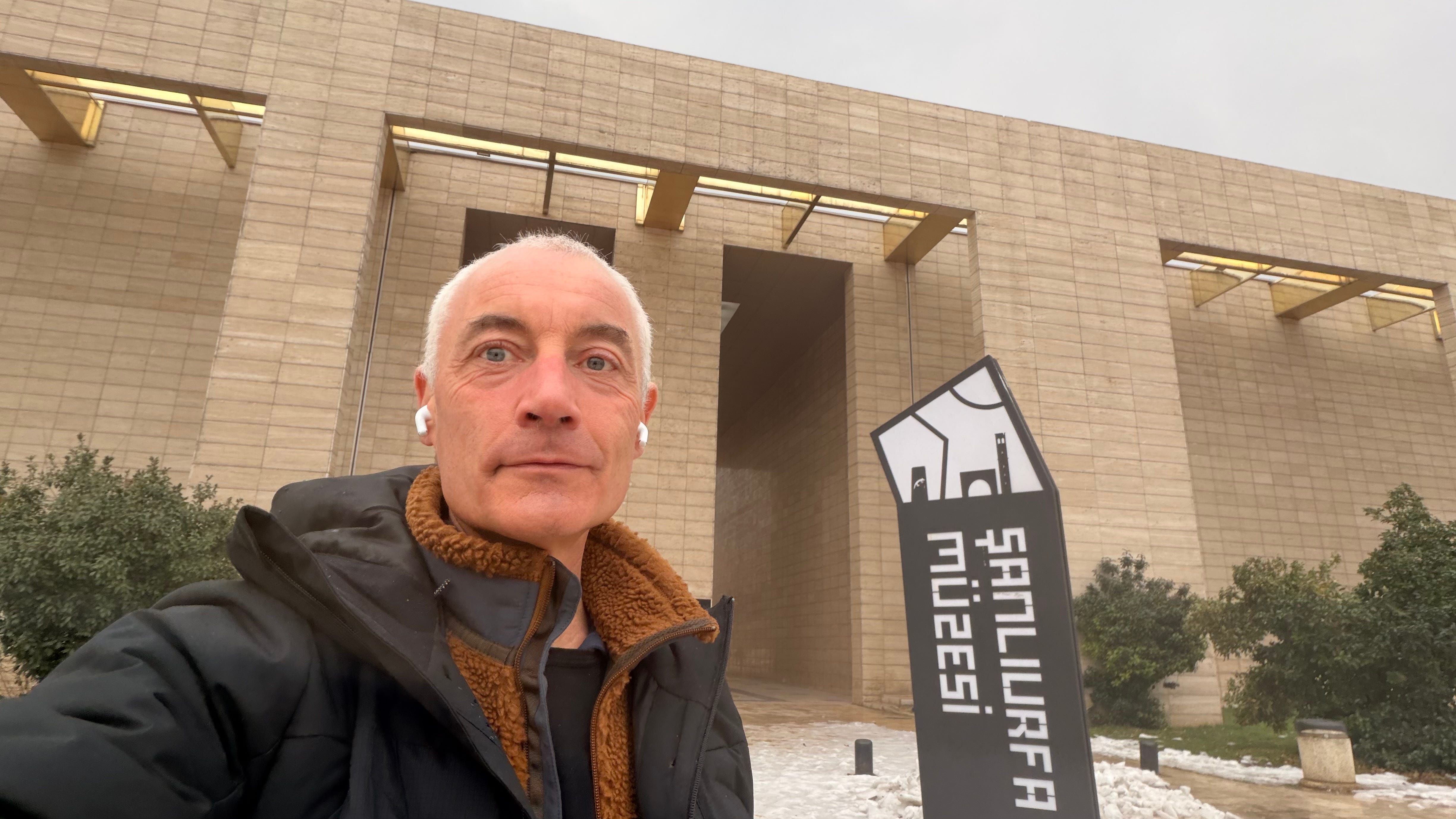
Yesterday, I visited Urfa and explored an impressive museum that showcased artifacts from Göbekli Tepe, including lifelike statues of animals and possibly stone gods.
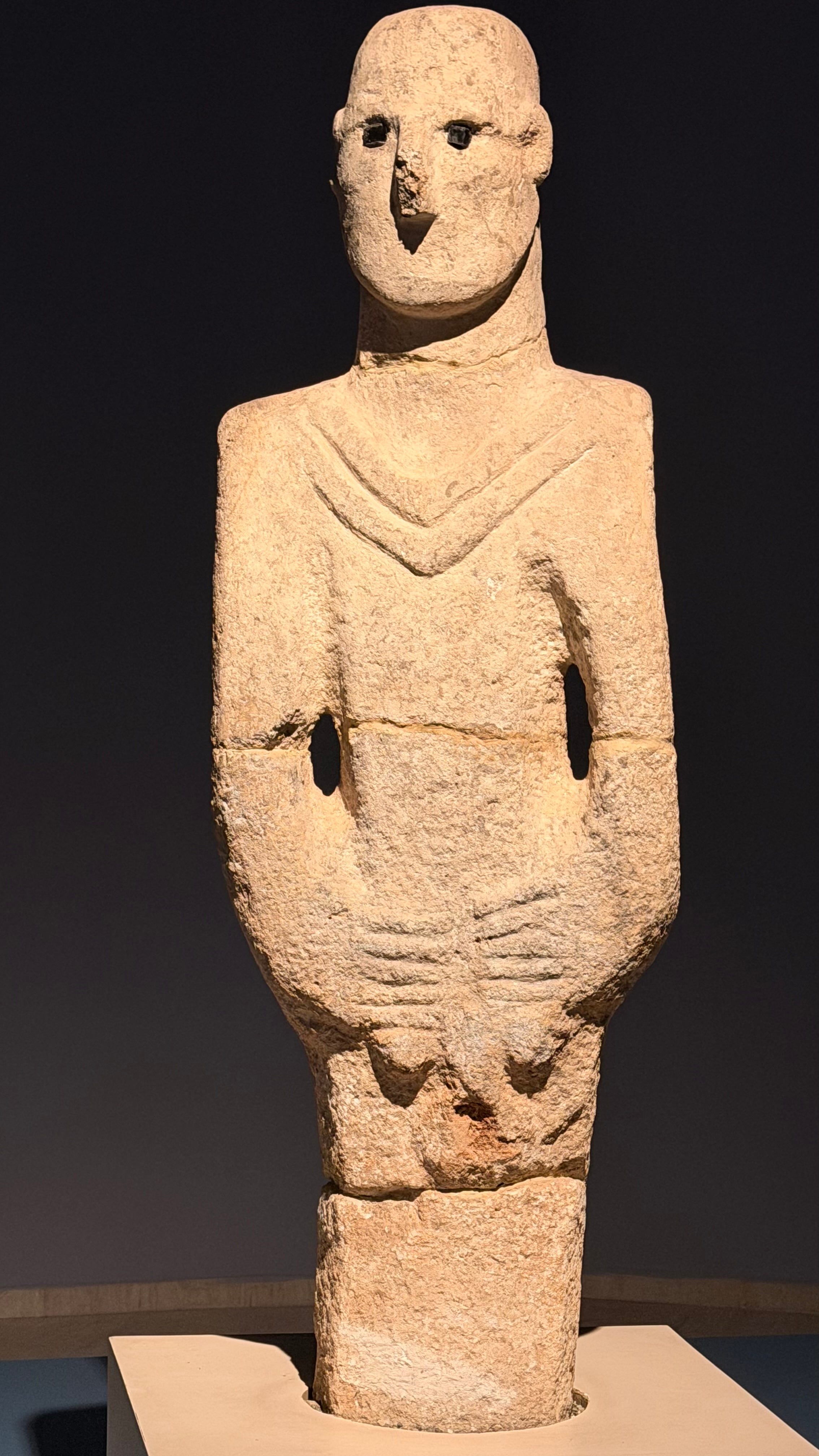
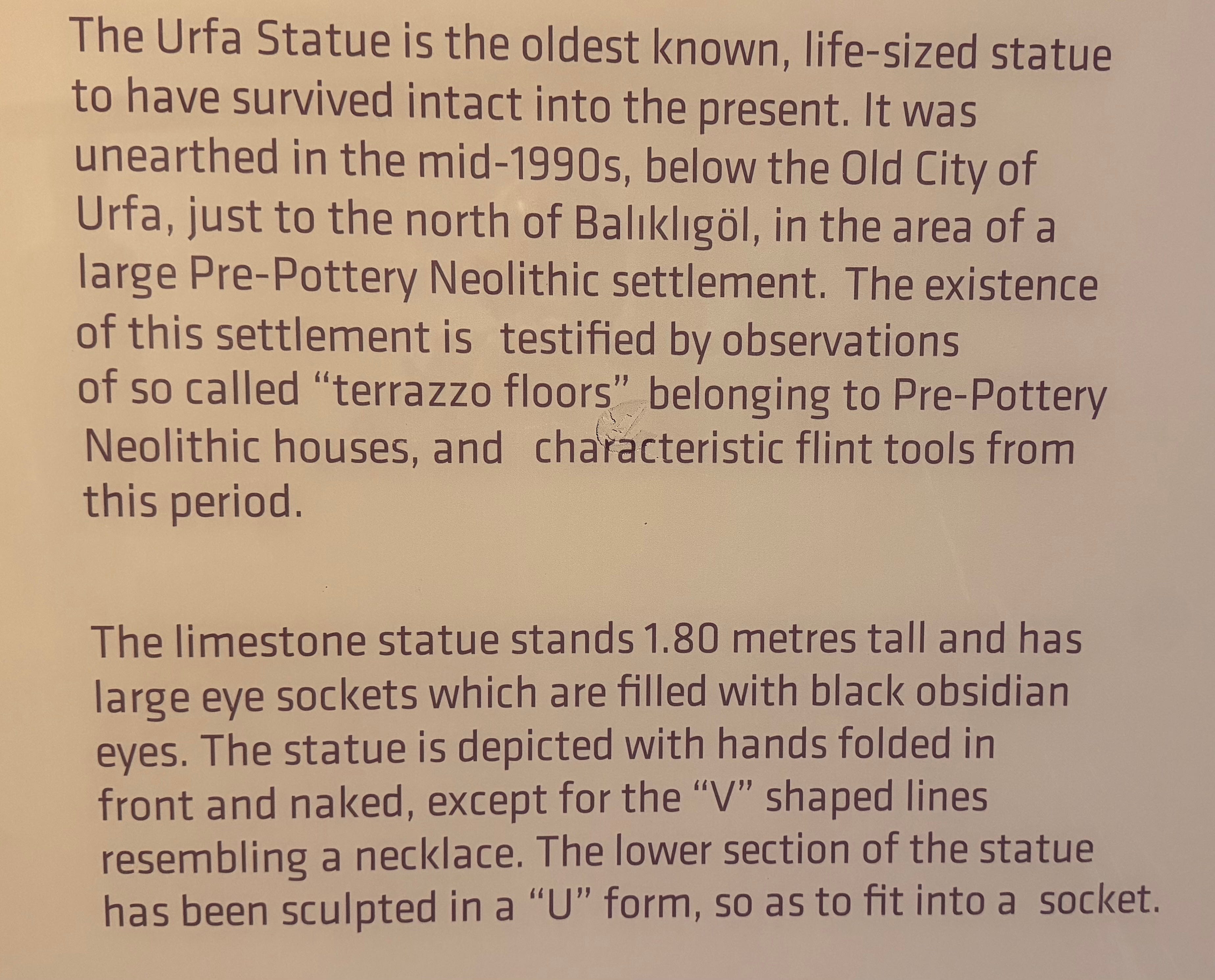
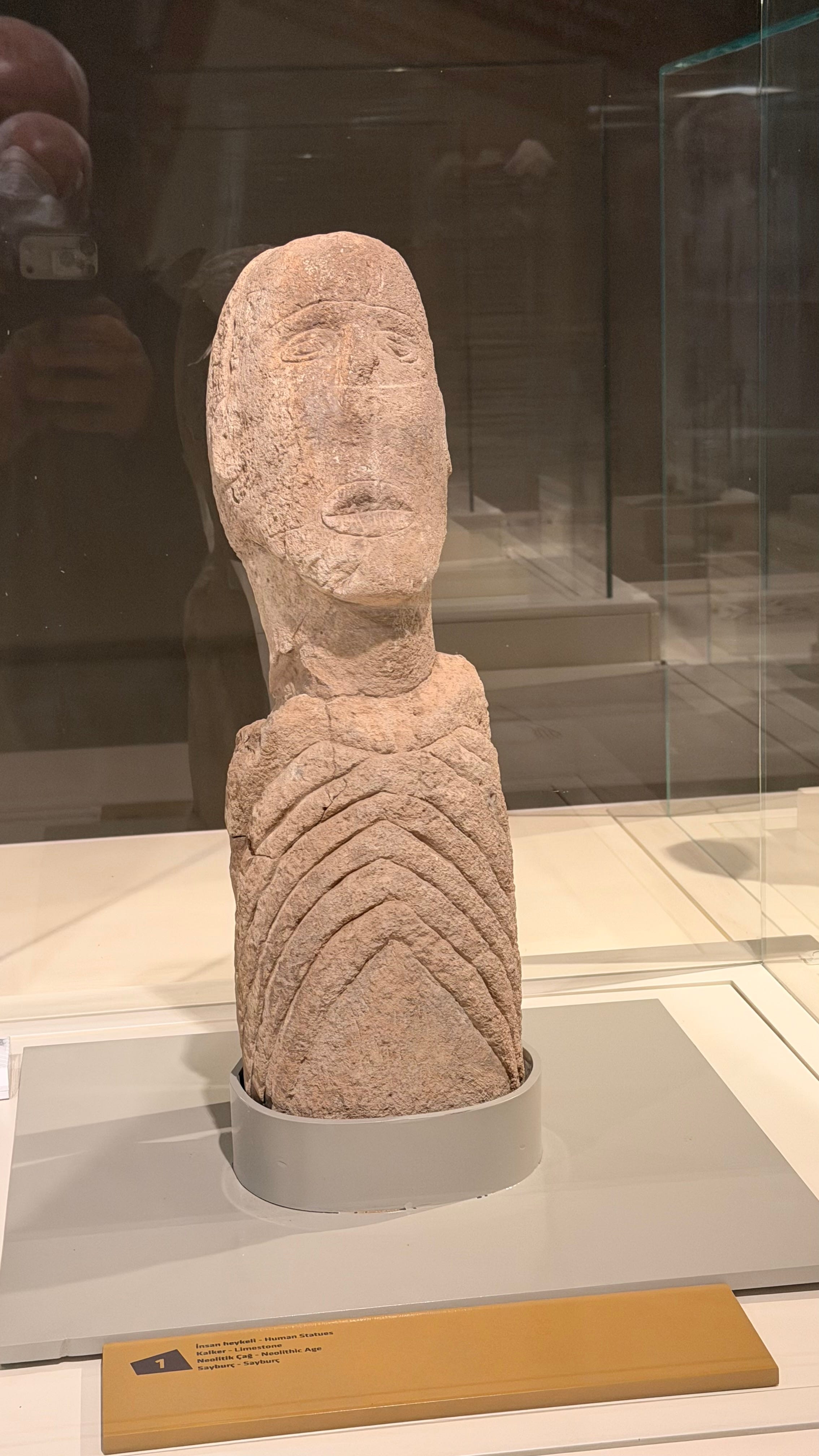
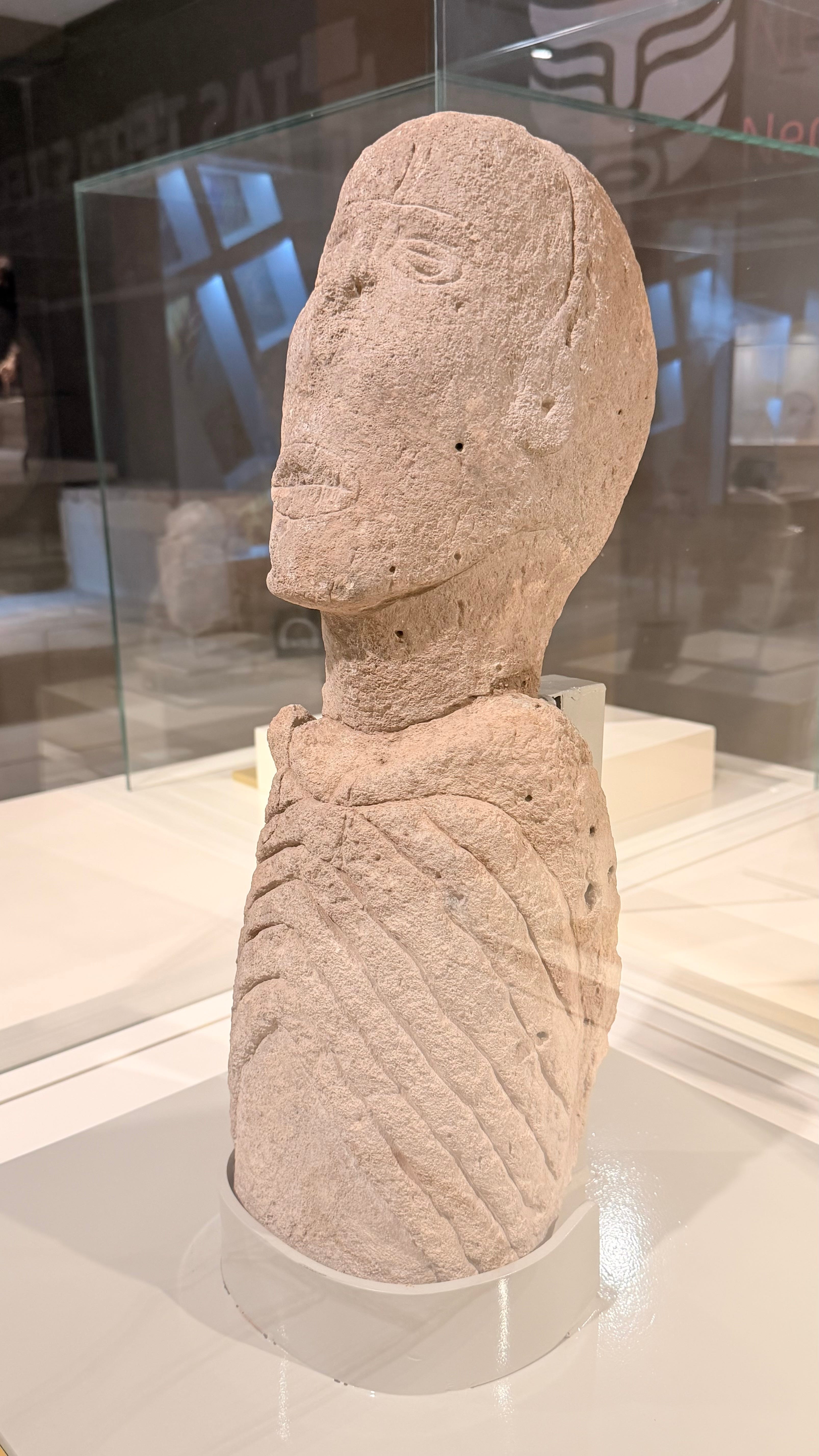
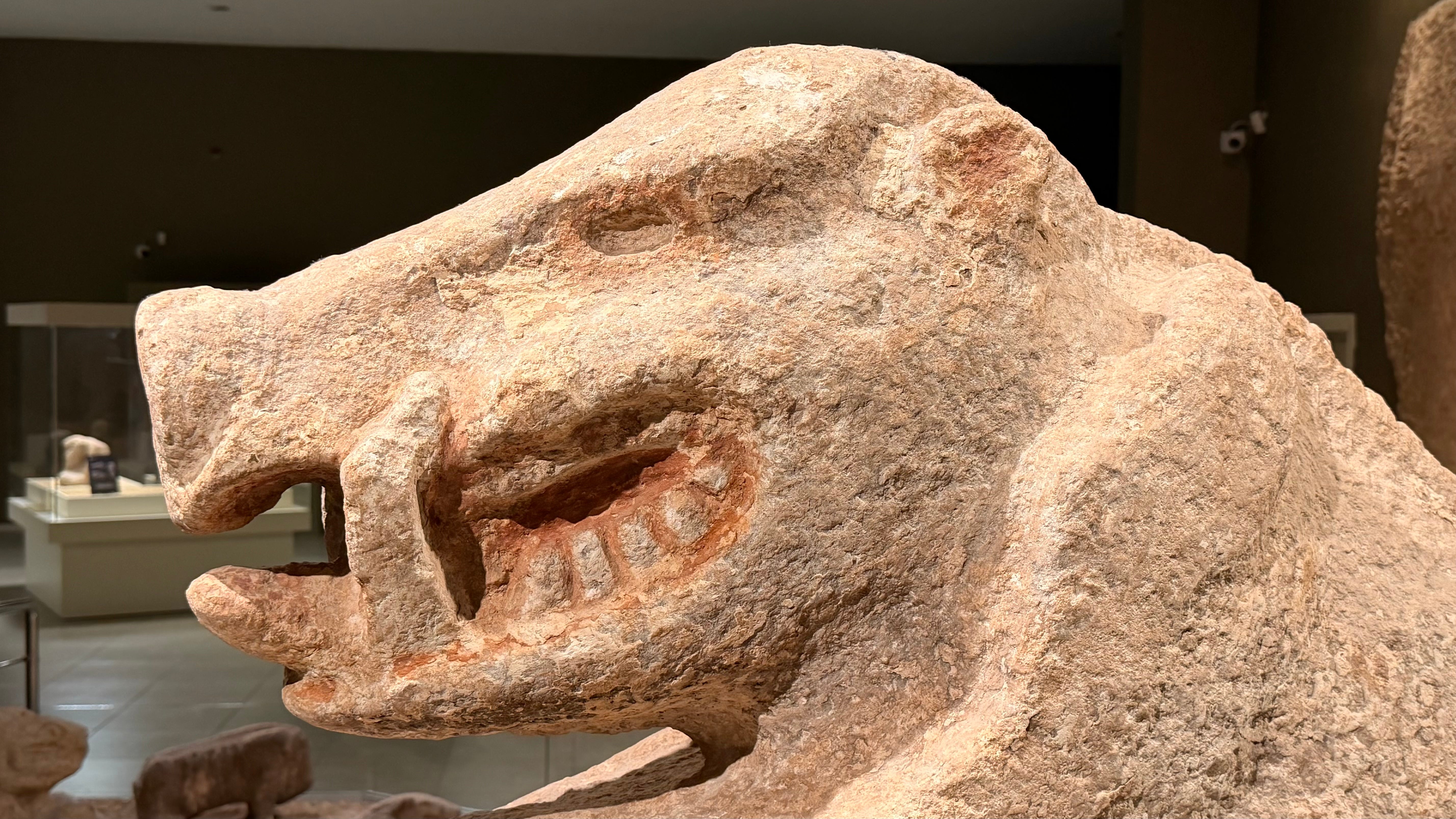
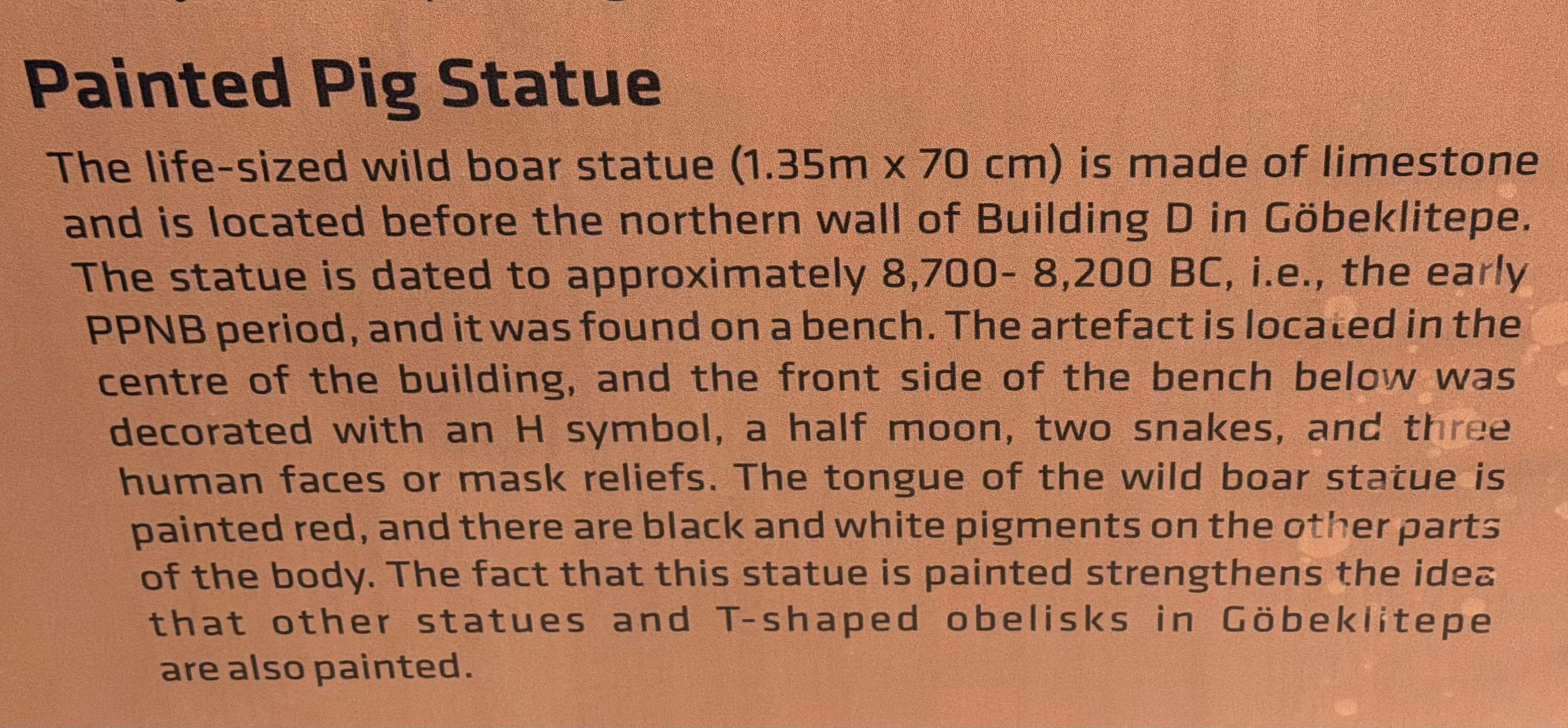
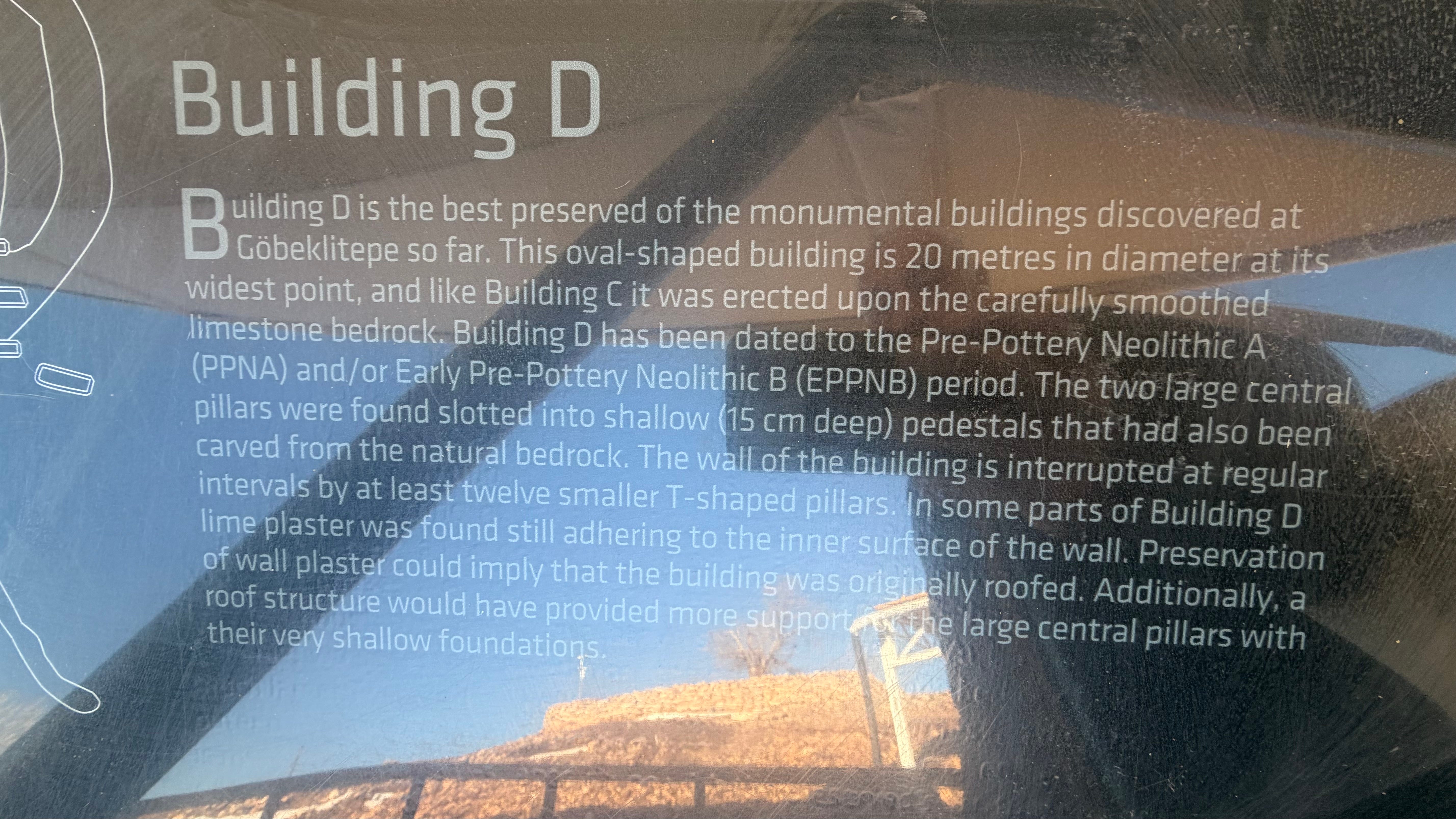
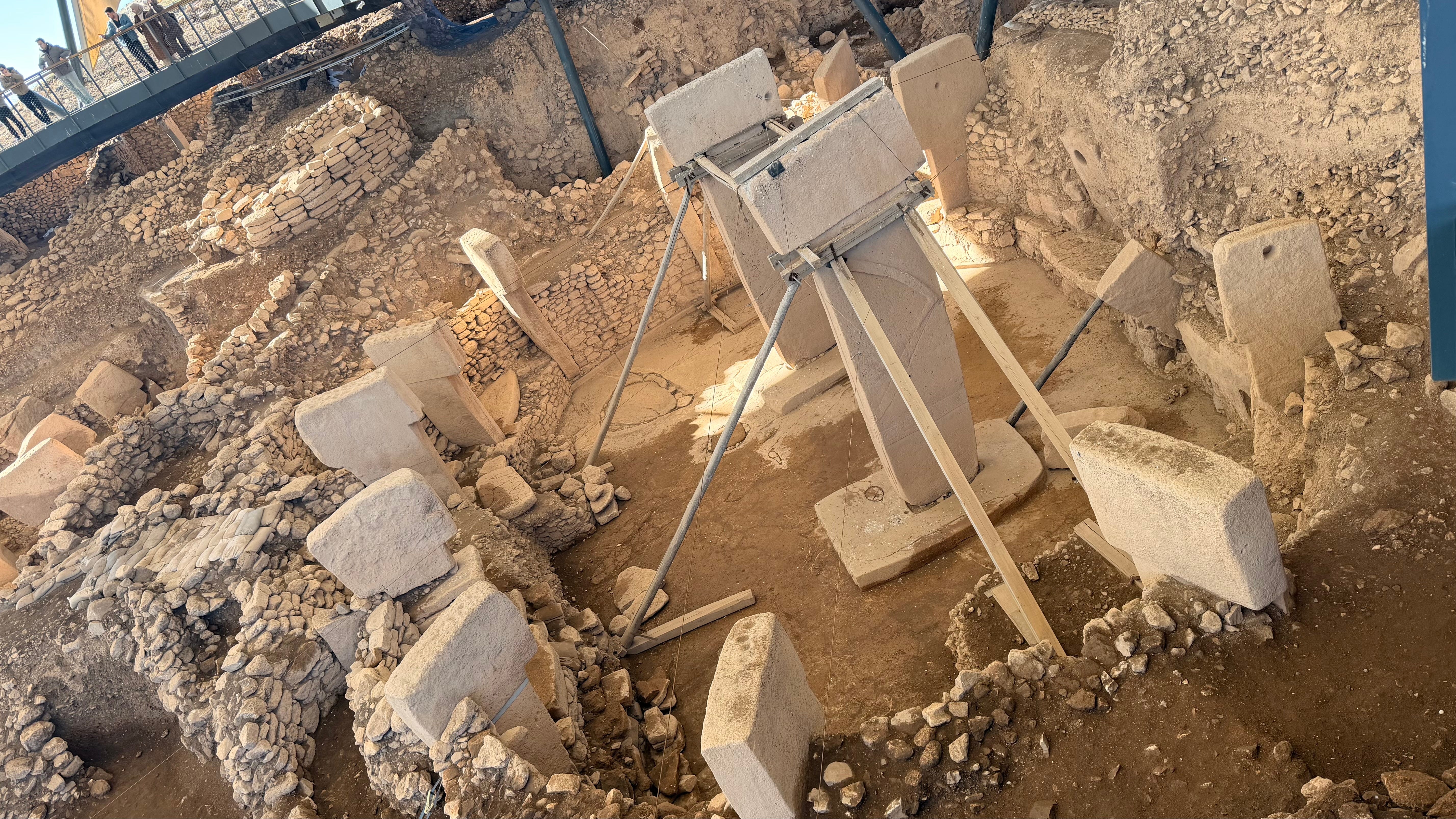
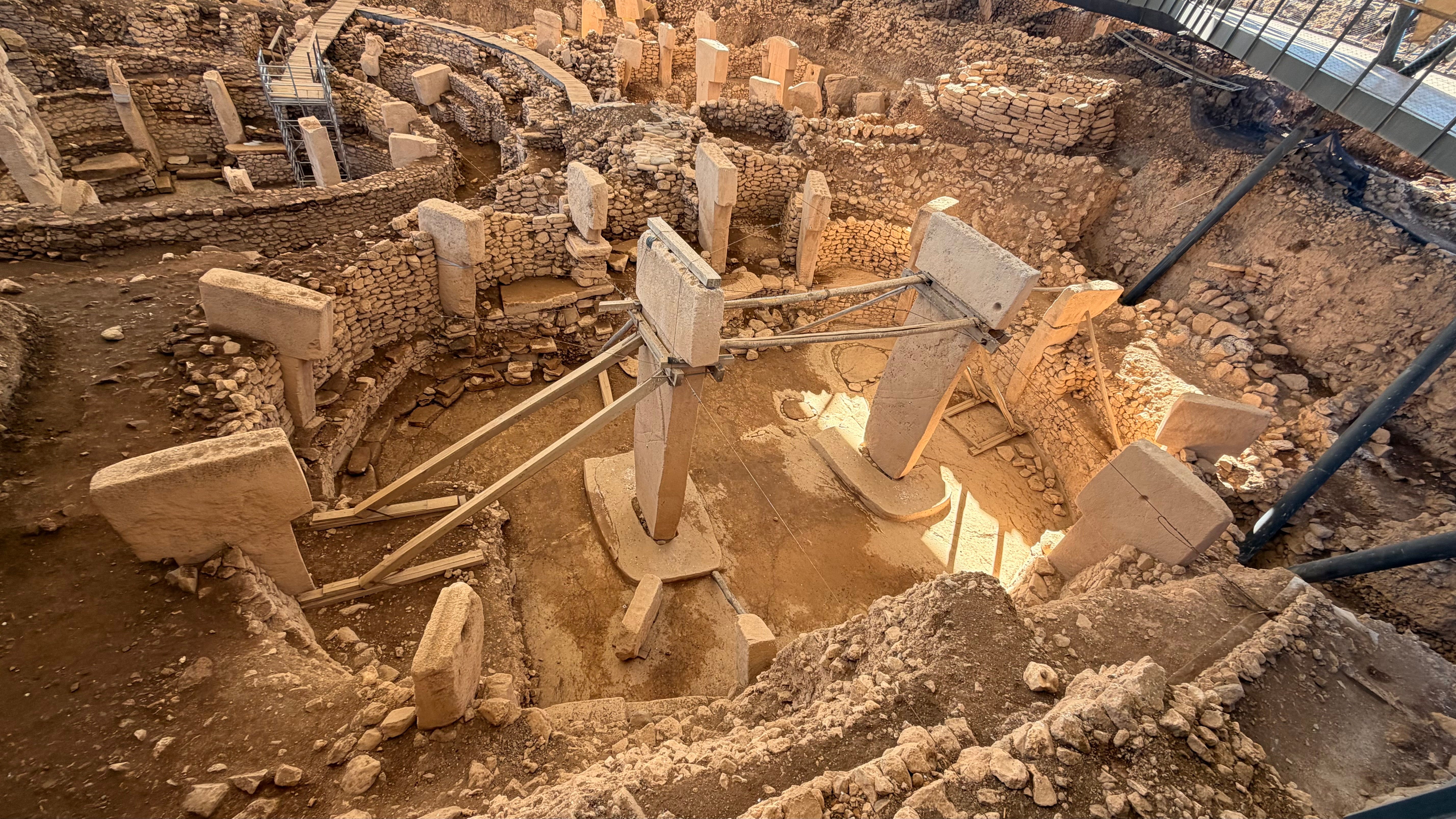
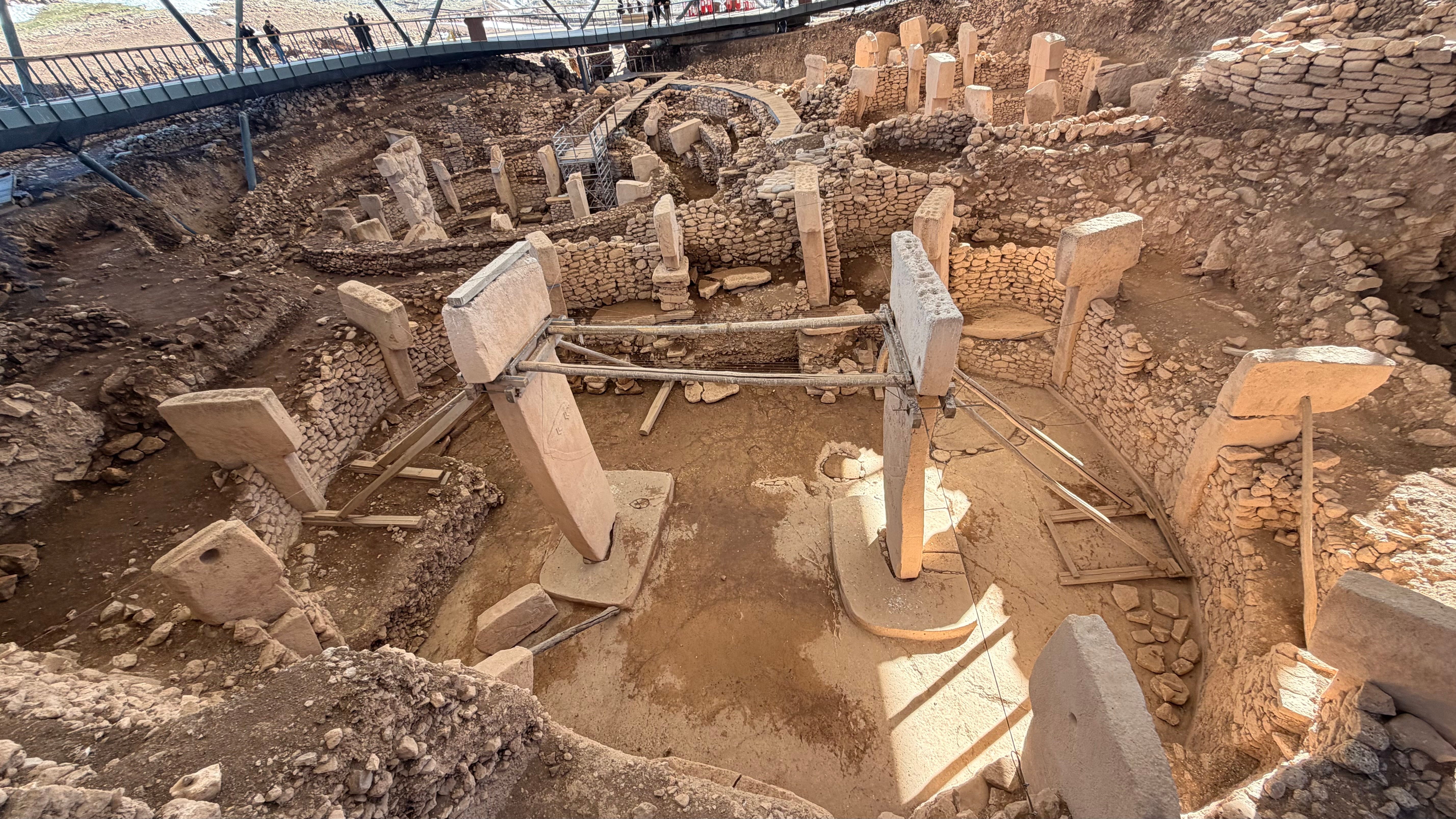
I have previously discussed the anthropomorphic aspects of the stones in the Dnipro stone circle, and it was a privilege to see these artifacts, which had been buried by the first Indo-Europeans.
While traveling from Lake Van, where I sought Menua’s stables, I faced challenges in my journey.
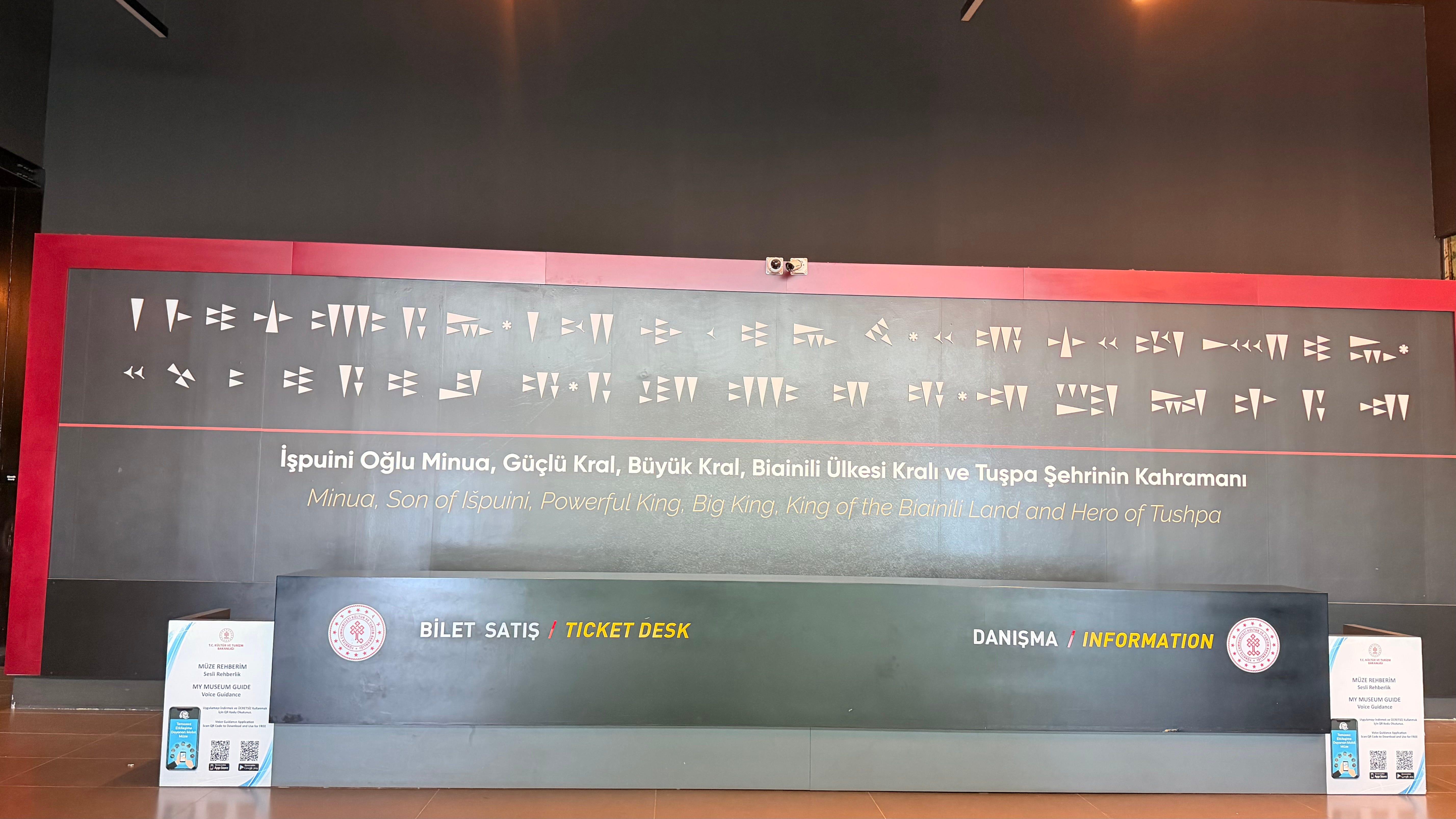
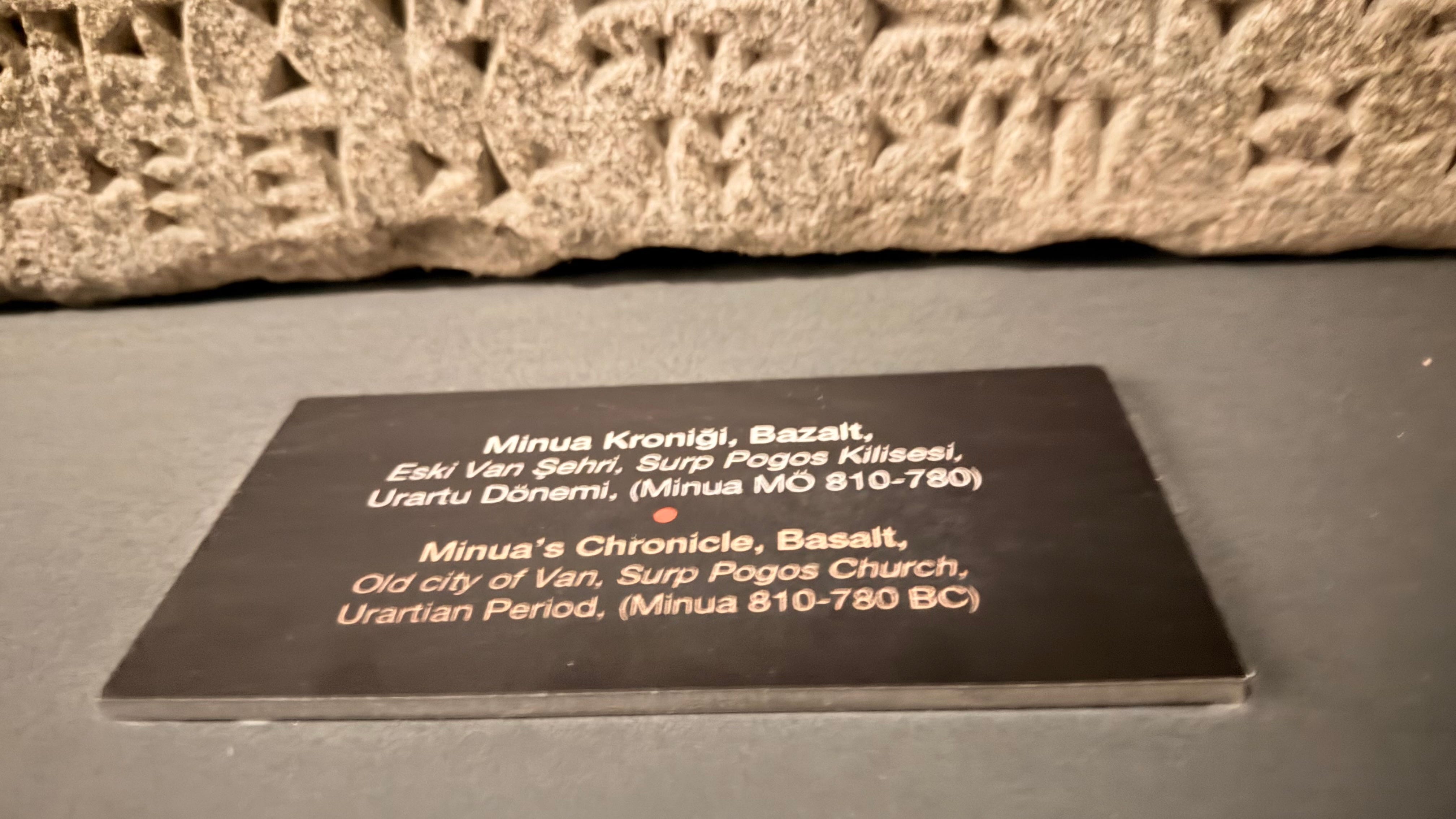
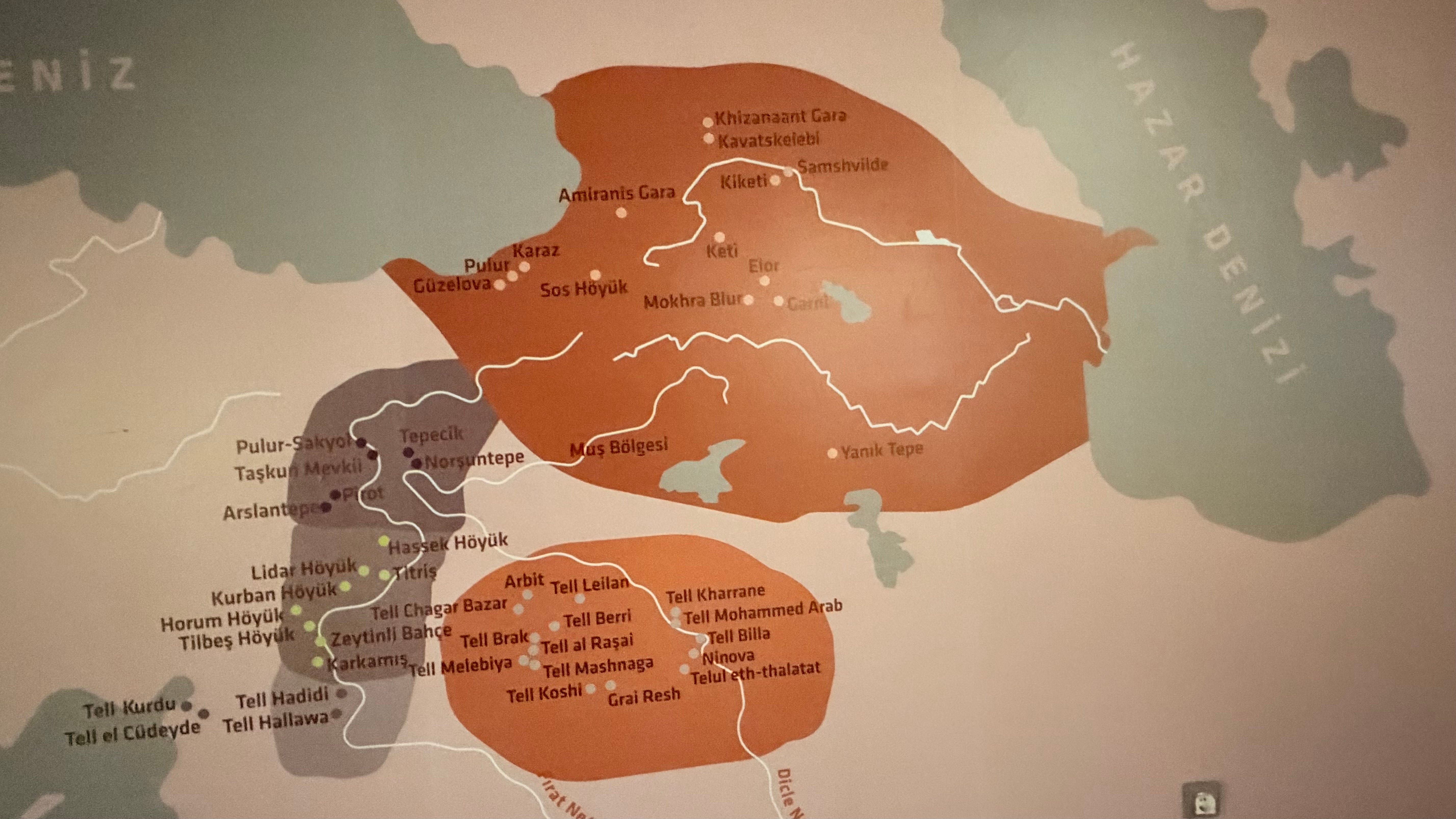
The museum in Van contained numerous references to Menua, who held significant importance in the region. My travels took me through the historical Kura-Araxes culture, where inscriptions from both the Assyrians and Hittites can be found. Despite their different languages, the Mitanni worshipped Indo-European deities.
During my exploration, I also reflected on the unique aspects of the post-World War II legal order, emphasizing territorial integrity and defined borders—a contrast to the fluid borders of earlier human history. My journey through Urfa and Mardin has been eye-opening, especially in examining the MN sound and its connections to ancient deities such as Marduk.
Mardin, whose name may derive partly from Marduk, intrigued me as I observed its lights from a distance. This exploration challenges us to learn about areas and aspects of life we wouldn’t otherwise encounter. The connection between Lake Van and its Iranian counterpart, both saltwater lakes at high altitudes, draws parallels with the Dead Sea, which is the lowest point on Earth.
The relationship between these lakes is reflected in ancient stories, including the narrative of Noah’s Ark, which is said to have come to rest on the Ararat Mountains, near the region of Lake Van. Interestingly, state-of-the-art DNA analysis has revealed genetic links between ancient populations in this area and modern Jewish communities, reinforcing the interconnectedness of these regions.
In the context of Finding Manuland, we recognize that we are situated in a borderland that was once predominantly Indo-European. This area has witnessed the evolution of various cultures, including the Kurds, who still maintain ties to this ancient heritage. I am currently about 50 kilometers north of the Iraq border, with Edessa serving as a historical crossroads for various empires.
Göbekli Tepe is significant not only for its monumental structures but also as a site where the Indo-Europeans laid the groundwork for modern civilization. This connection is reflected in the ancient DNA evidence linking the Yamna culture, the early Indo-Europeans, to what we see today.
As I prepare to see Göbekli Tepe, I am excited about how this moment connects to my journey that began in Maine Village in November 2021. This exploration of the MN sound continues to unfold, revealing new insights as we embrace various mediums such as video and podcasting. I look forward to sharing more of this fascinating journey with you.
Continued from:
First in series:
Finding Manuland I
In October 2021 I was returning from my final vacation before my forced retirement from my beloved diplomatic posting to Ukraine.


