

I write, I speak from a very, very remote place - Ani. It’s very, very beautiful, as you see with the mountains. I thought I would just muse a little bit on what I do as a writer as Decoding Trolls and how I see my role as a writer and where my substacks fit into it, what I’m working on now, what my plans are, and how you helped me by responding and reading and reacting to my work.
I wrote about Eneduana, who is the first known named author in human culture. I discovered her in a very forgotten corner of a museum in Brussels, where a poem, a song she had written to the moon god Nanna, in cuneiform text had been preserved.

She lived around 2500 BCE and was the daughter of Sargon the Great, who was a great emperor in Assyria and Babylon. This particular song, which she had written to the moon god Nana, was preserved in this forgotten corner of a museum in Brussels and had been written or copied about 700 years after she died. It was a little bit of a connection to her.
It really interested me that she was dedicated to the moon god Nanna.
As you probably know by now, my hypothesis for why the MN sound is so common in the English language and Indo-European languages is that the MN sound is a remnant of what I call the moon-based metaphorical semantic signaling system that was implanted by the first Indo-Europeans. It was so important to them that it became implanted in all of the daughter Indo-European languages.
The Fundamental Meaning of Meanings

Happy to announce that I have identified for the first time THE two fundamental Cryptotypes underpinning all extant Indo-European languages.
As you may remember from my hypothesis about Osman the Great, who was one of the Central Asians, Turkic language-speaking Central Asians who came to Anatolia as part of the conquest, his name became part of the dynasty, the Ottoman dynasty in Osman.

My hypothesis was that since he and his dynasty arrived in Anatolia around 11 or 1200 years into the common era, they eventually conquered the whole area.
As we saw from my work in the Hittite a year ago in the Ankara Museum, seeing Tarmana, his name was written in a cuneiform text from about 1800 BCE, which is 2,900 years before Osman the Great came. Modern-day linguists use the MN sound, the Uman suffix, and other suffixes, but mainly the Uman suffix in these documents.
In these 23,000 cuneiform texts written, I found in a place I visited the summer before last, Kanesh, which was the actual and the mythological founding community for the Hittites, for the first Indo-European.
Modern linguists use this Uman suffix to distinguish between texts. All the texts are written in Assyrian, but there are local Anatolian Indo-European words in there. Modern linguists use this Uman suffix to distinguish the Indo-European from the Assyrian.
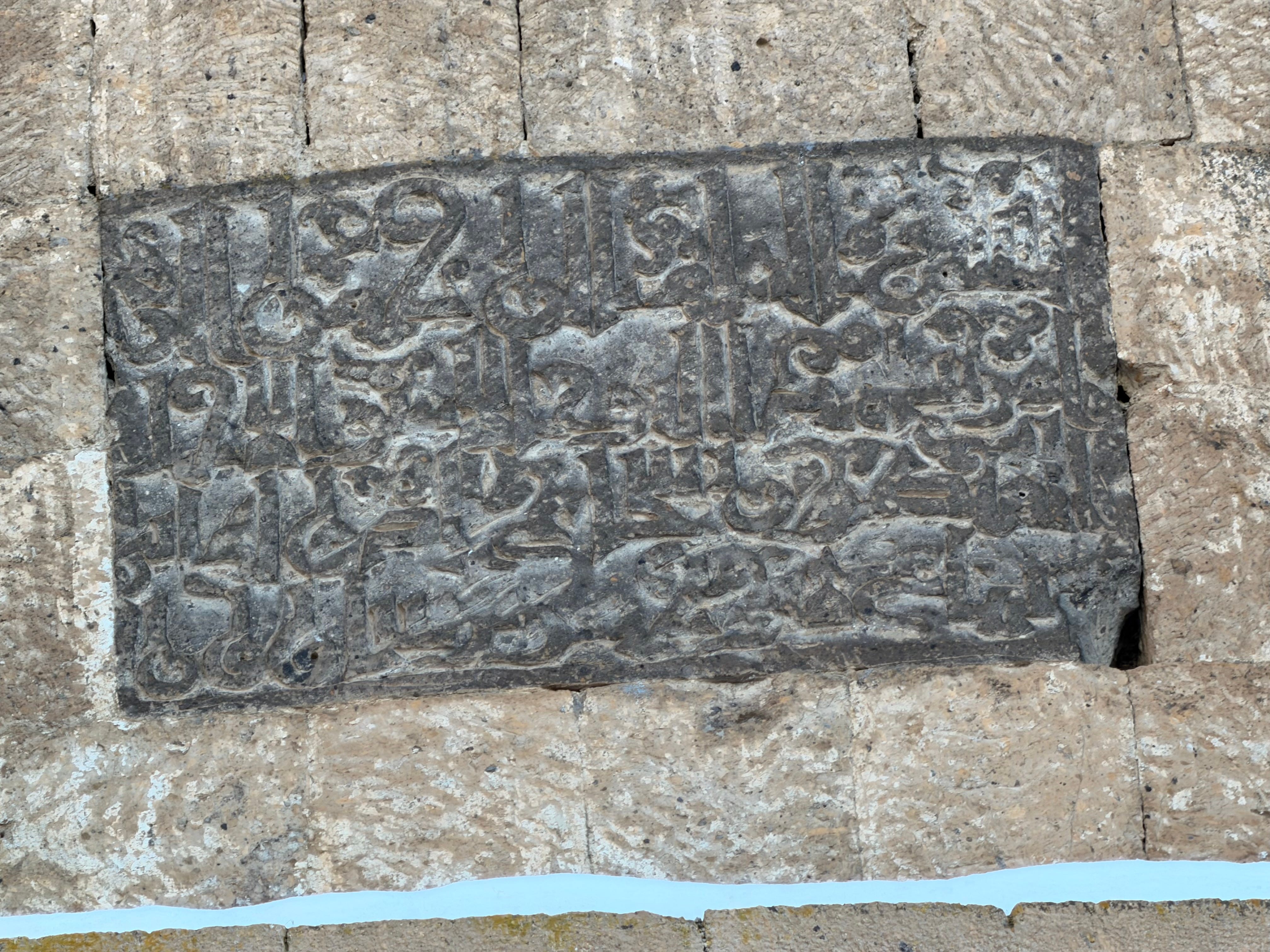
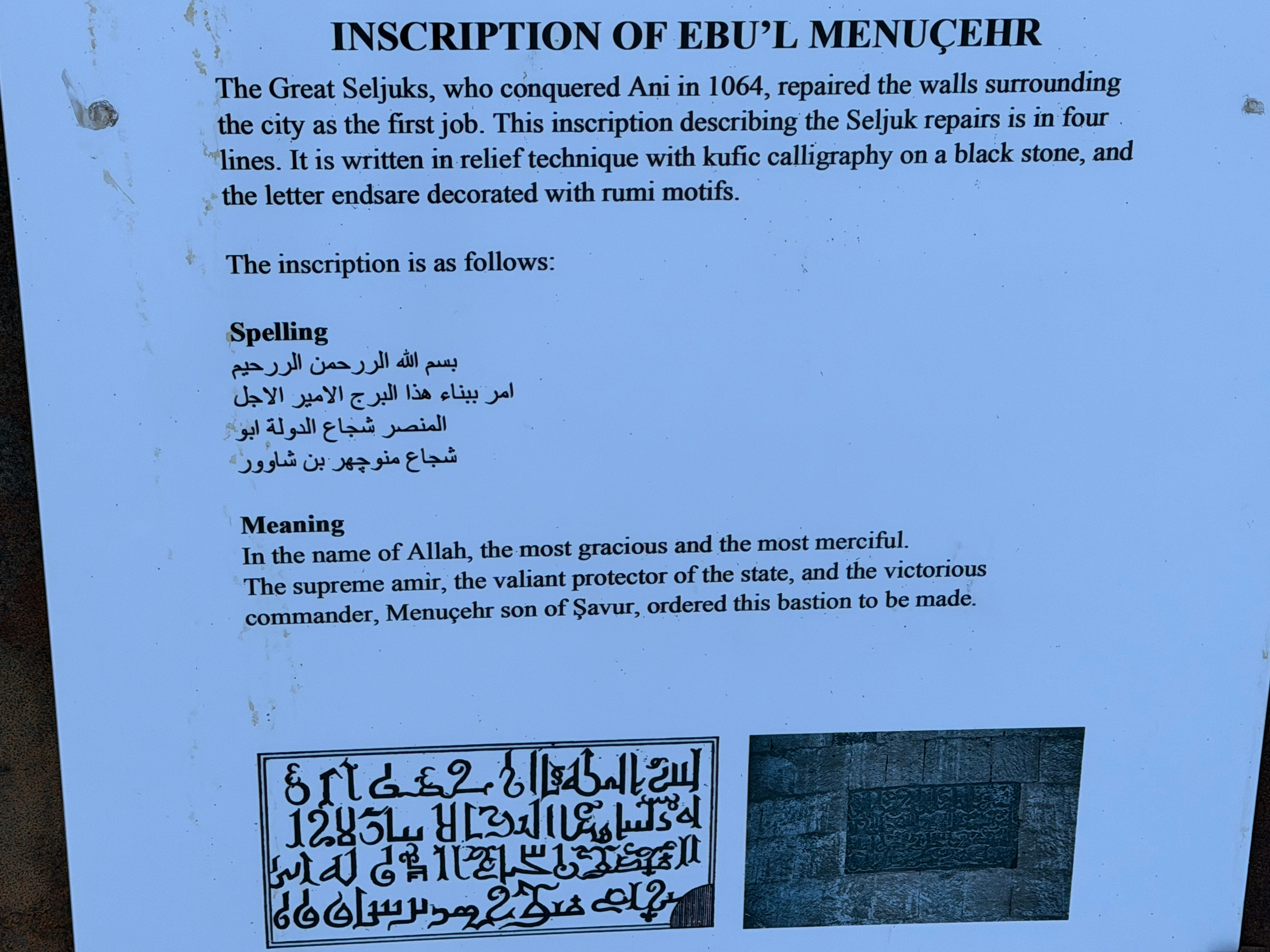
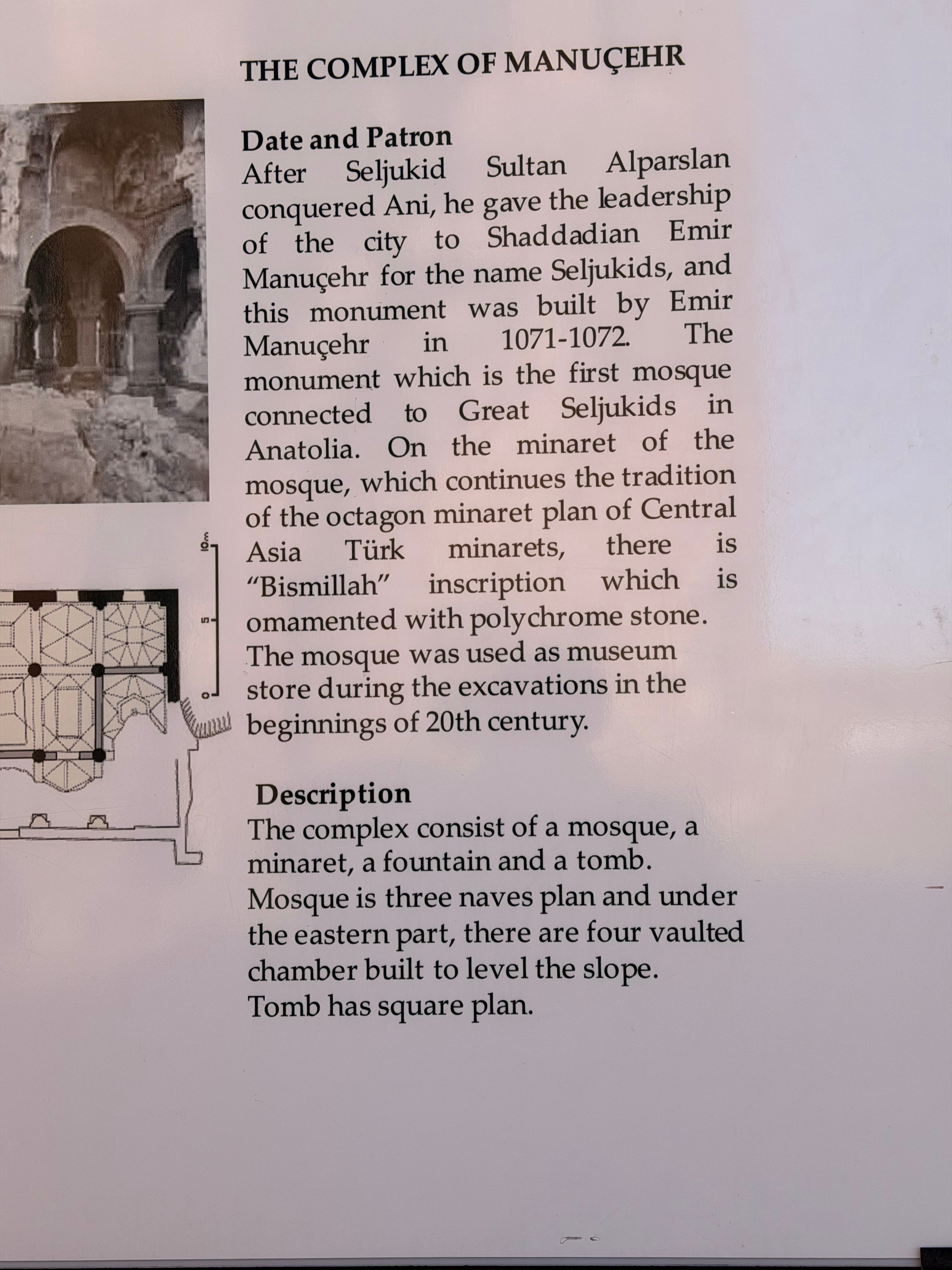
Flash forward 3,100 years later, 3,000 years after these texts. Osman arrives here on his horse, Osman the Great, and finds the Ottoman Empire, which would rule Anatolia until the First World War, basically. Three thousand years later, he arrives here with the MN sound. The first person who is appointed as a leader here is Menushur with an MN sound to replace the Armenians, who also have the MN sound. You begin to see the potential of Manuland to unite.
We put a huge play in communities to find the differences between communities defined by different languages, especially by different language families, particularly the Turkic language-speaking family and Indo-European, say the Armenians. My conception of Manuland is to unite us and unite the Turkic language speakers who today occupy this land. It is replete with their MN-sounding names and words, which they or their ancestors brought from Central Asia when they first started arriving here about a thousand years ago.
This is a sign of how I see my job as a writer. I do not merely describe the world; I intervene in the world and try to make it right. This is what Eneduana did in her dedications to the moon god Nanna. She composed songs, which were prayers, learned off by heart, and eventually recorded in cuneiform text so that I could see them. That is a form of writing, of course. The substance of what she did as the first known named author in human culture was independent of the form in which it was recorded and transmitted.
It’s that substance I got to in this piece I wrote as part of my Decoding Trolls project, which is on recoupling the political right with moral rightness.

I wrote a piece talking about how Meloni, Macron, Merz, and President Zelensky in Ukraine have the potential and are actually doing it by helping rescue the project that has been hijacked by the far right, who are doing very wrong things.
For instance, President Trump threatened to invade Greenland and disturb the European Union, Greenland, and the state of Denmark’s territorial integrity. This is very unright from a legal point of view, as defined by the post-World War II legal order, which makes territorial integrity sacrosanct. It is also wrong from a moral point of view, and I am not afraid to say that.
The second element in the six-element code of positive trolls distinguishes what is right from what is wrong, what is positive trolling from what is negative trolling. This standard is set by the post-World War II legal order. When the current American government says it doesn’t care about international law or the far right talks about not caring about international law, that right is there. I am not afraid to say that is wrong. That is unright. You are trying to usurp what is right and replace it.
My job as a writer and an artist, and the clue is in the “writ” element in writer and also in artist. Arta in ancient Iranian, a Western language, means truth, and Rta in Vedic, an ancient Indian language, also means truth.
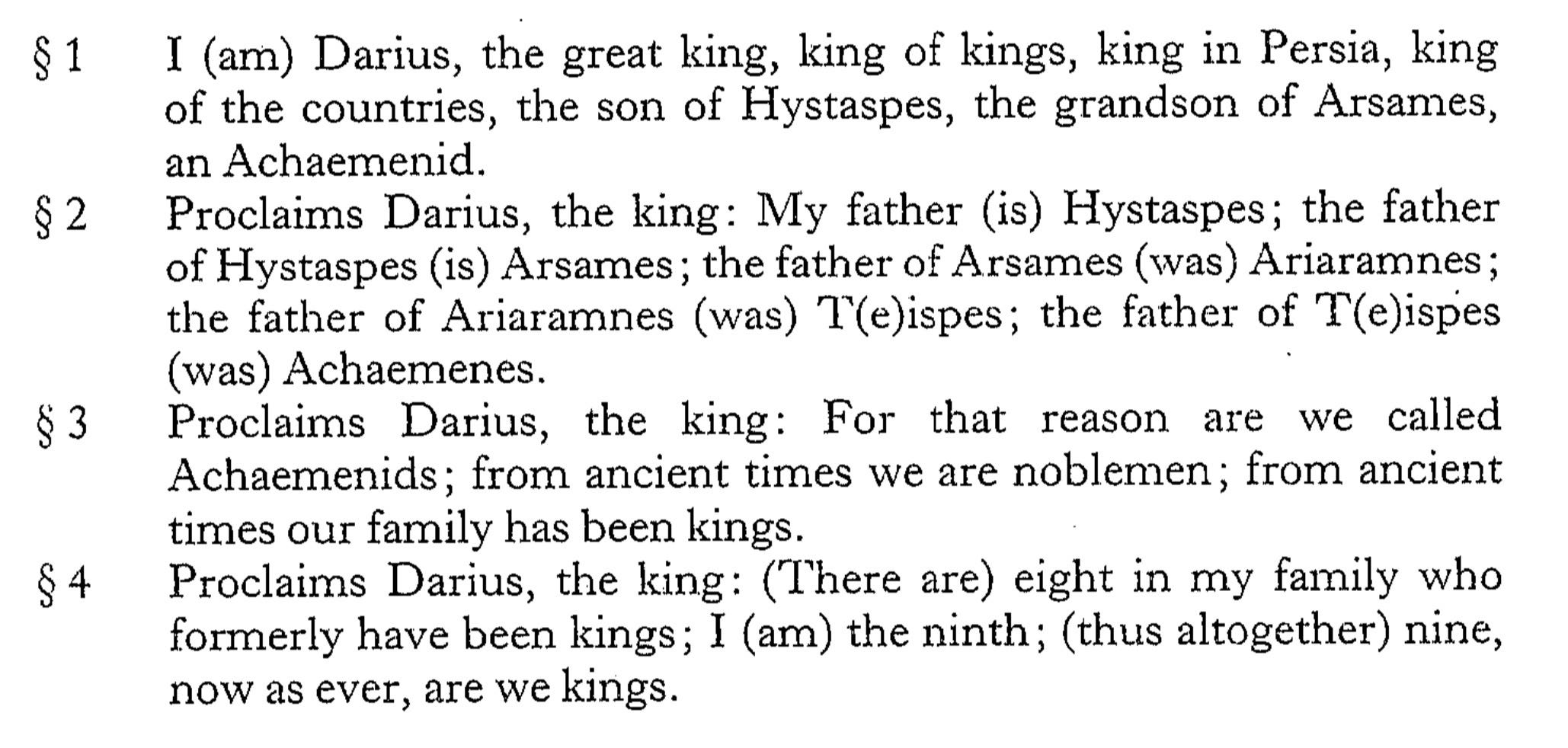
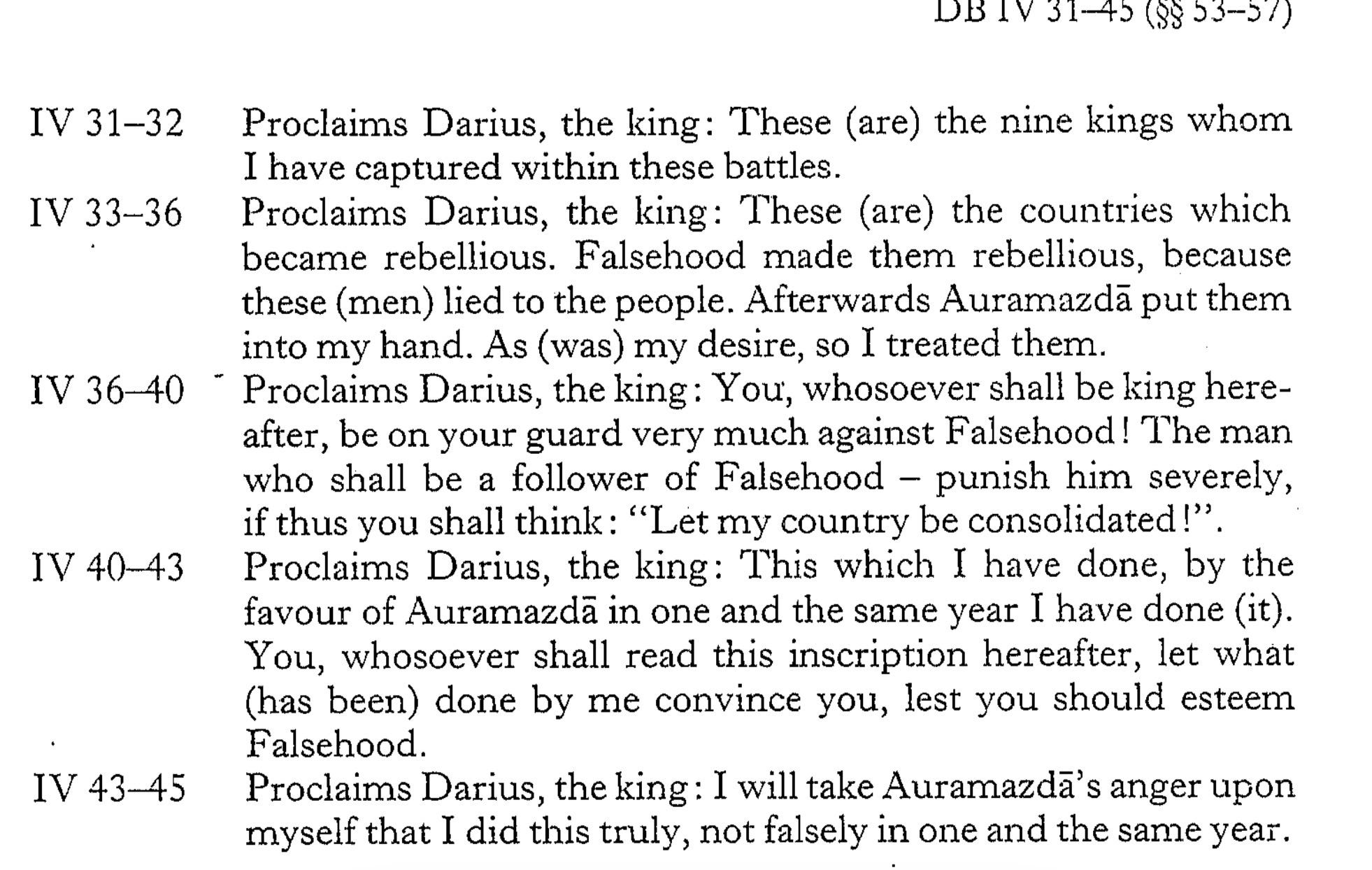
We have this idea of truth and what is right hardwired into these Rt- sounds. My job as a writer, through whichever medium I use, identifies me as a writer because in our culture, people doing what I do traditionally wrote.
Of course, now I’m experimenting, as you see here, with video and podcasts. I’m also doing my website, which involves learning, so I’m completely independent and can just write things. I can create and then be responsible for uploading it and putting it into a form that you can read to complement my substacks and podcast platforms where my podcasts are, Apple Podcasts and Spotify. OnX is where most of my raw writing work appears, but I do use images as well.
I’m not a pure writer in that traditional sense. By learning these different mechanisms, different mediums, and ensuring that there is something unified about my content in terms of the Power of Mana, Finding Manuland project, the Decoding Trolls, more journalism, and then Diss and Folklore, which I’m very excited about as well. This is the medium through which Donald and the far right are attempting to usurp and replace the post-World War II legal order with their vision of legal and social order, which is quite akin to the Nazis.
My discovery of Disinfolklore as a narrative form is something I also write about. I help teach myself and embed myself and others to interpret data, the kinds of data we use before we decide who to vote for, whether to go and demonstrate, or whether to participate in public life. Whether to resist those kinds of decisions are made on the basis of data. The very people who promote free speech are actually those who wish to shut it down and turn what is wrong into what is right, suppressing artists like me and others so that we can’t communicate our truth and give others the opportunity to hear how we interpret the world.
That is my job as a writer, and that’s how I see myself. If I’m feeling pretentious, I’ll call myself an artist, which kind of takes in different media forms. I’m happiest being a writer, even though I also create content with video and am learning. As you’ll be seeing over the next year or two, you’ll see how I develop my technical skills using these amazing facilities we have now with iPhones and Substack itself.
As I develop my technical abilities into different formats and forms, the substance of what I teach and what I write doesn’t change. It’s all on this theme of trying to recouple what is right in a moral sense and a legal sense, as defined by the post-World War II legal order. I aim to point out when what is not right is being promoted as being right by the far right, who have their anti-immigrant, anti-human rights rhetoric, pro-discrimination, etc.
From my perspective, the Finding Manuland project and visits like this in Ani to places which are, as you see there, just across is the watchtower. That’s Armenia, the state of Armenia.
Who was Menua?

Recently I drove by the source of one of the rivers of Babylon: the Euphrates. Menua (790 BCE to 775 BCE) was the third monarch to rule the Biblical era Van / Ararat / Urartu / Bianili kingdom, whose successor state two millennia later is Armenia.
One day, hopefully, this border will be open, and people will be able to flow freely again between these two countries, which have had such a complicated crisis history, hopefully sharing the heritage of the MN Sound.
Once Russia is finally defeated and stopped stirring the pot and provoking tumult, we can find a more harmonious means of communicating with Turkic language speakers, Indo-European language speakers, Armenians, Turks, and all the people living in Manuland and on the borders of Manuland because we see that we have more in common with each other. We’re more united. We’re united by this MN sound and by its emanation from the first Indo-European language speakers in Mykolaivka village in eastern Ukraine.
What I believe my hypothesis to be is the moon-based metaphorical semantic signaling system that they embedded in our language and which is still relevant today. As far as I can see, it’s quite embedded in the Turkic language-speaking community. We don’t really have written attestations of Turkic language until much later than Indo-European, maybe three millennia later.
We can certainly see its immanence in, for instance, Osman the Great. In just to hear saying Menesher was the first viceroy of Ani when they conquered it.
MN is everywhere in the Turkic language as well. I think we can use these commonalities to promote harmony between different peoples. That’s partly what my Finding Manuland project is about, and it’s completely consistent with my job as a writer.


